Nine years of building a business in an industry I was once told couldn't provide a career. From London Fashion Week to the world's biggest equestrian championships, changing algorithms and a rather extraordinary amount of research, here's what the journey has taught us.
Nine years ago, EQuerry began with a simple idea: there was an opportunity to do things differently in equestrian marketing.
My teachers once told me I'd never make a living working with horses. In fairness, they probably weren't imagining a career involving international sports federations, fashion week catwalks, audience research and rather too many spreadsheets.
And whilst I absolutely love what I do, whoever said, "Do what you love, and you'll never work a day in your life", clearly never started a business. We've made mistakes, taken risks, had some extraordinary opportunities and occasionally wondered what on earth we'd got ourselves into.
But perhaps the most interesting part has been discovering just how much bigger the equestrian world is than we initially imagined.
A $300 Billion Industry Hiding in Plain Sight
According to Nielsen Sports research commissioned by the FEI, equestrian sport generates an estimated US$302 billion in annual global economic impact, excluding horse racing and betting.
Rather substantial for an industry that is treated as a niche interest. Unlike Formula 1 or football, whose commercial success is concentrated around highly visible championships, leagues and media properties, equestrianism has an enormous economy extending beyond professional competition. I have always said it’s the only true lifestyle sport, spanning breeding, ownership, veterinary care, equipment, fashion, education, technology, tourism and everyday participation.
For most participants or fans, horses aren't simply something they watch at the weekend; they affect how people live their lives. They influence where people live, how they spend their money, their friendships, routines and sometimes entire careers. That creates an unusually deep relationship between consumers and the industry, highlighting the fact that we have access to a deeply engaged B2B and B2C audience unlike any other sport.
As a result, the commercial opportunity is considerable, but so is the challenge: Turning a fragmented, passionate community into sustainable value for the sport, its businesses and the people who participate in it.
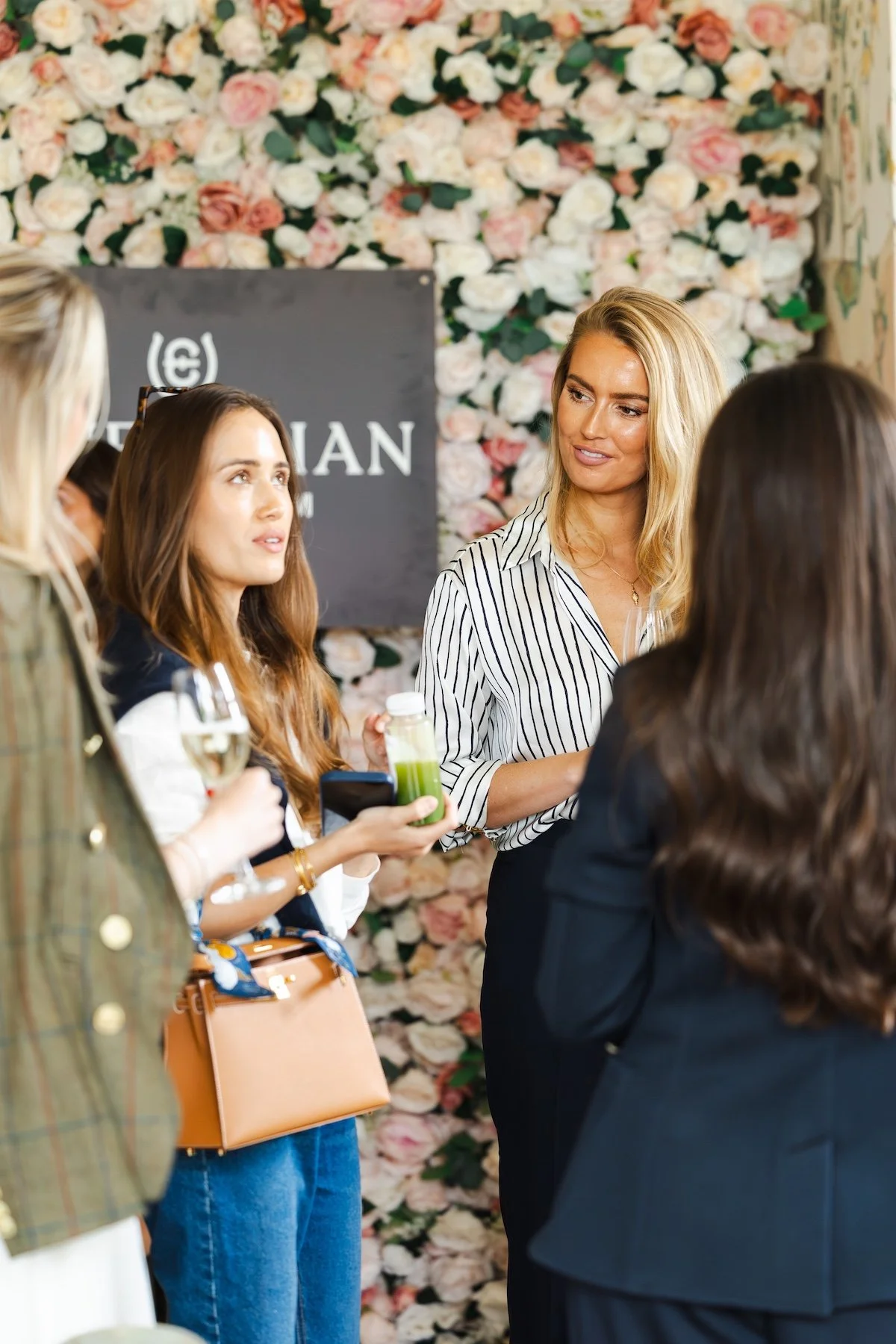
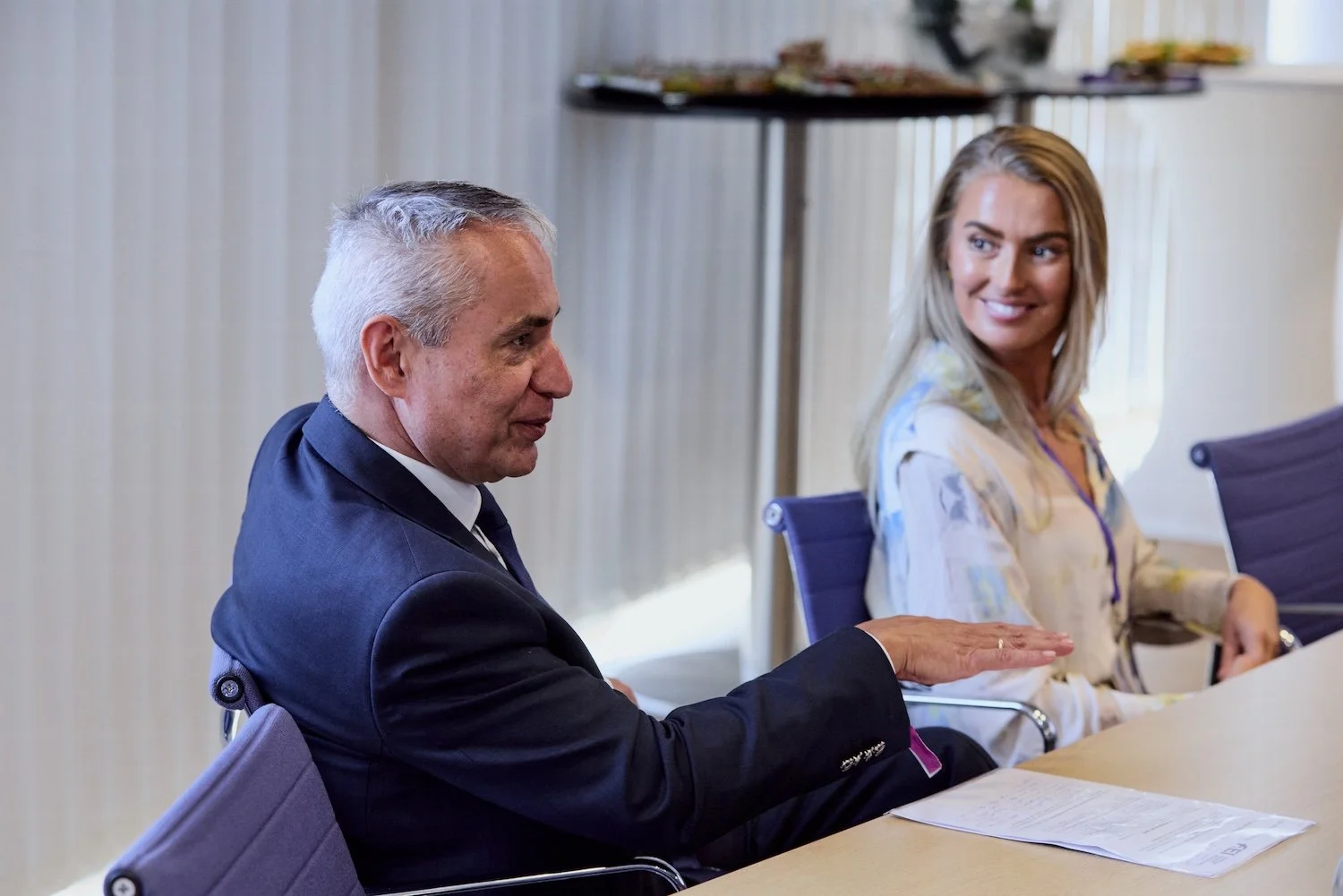
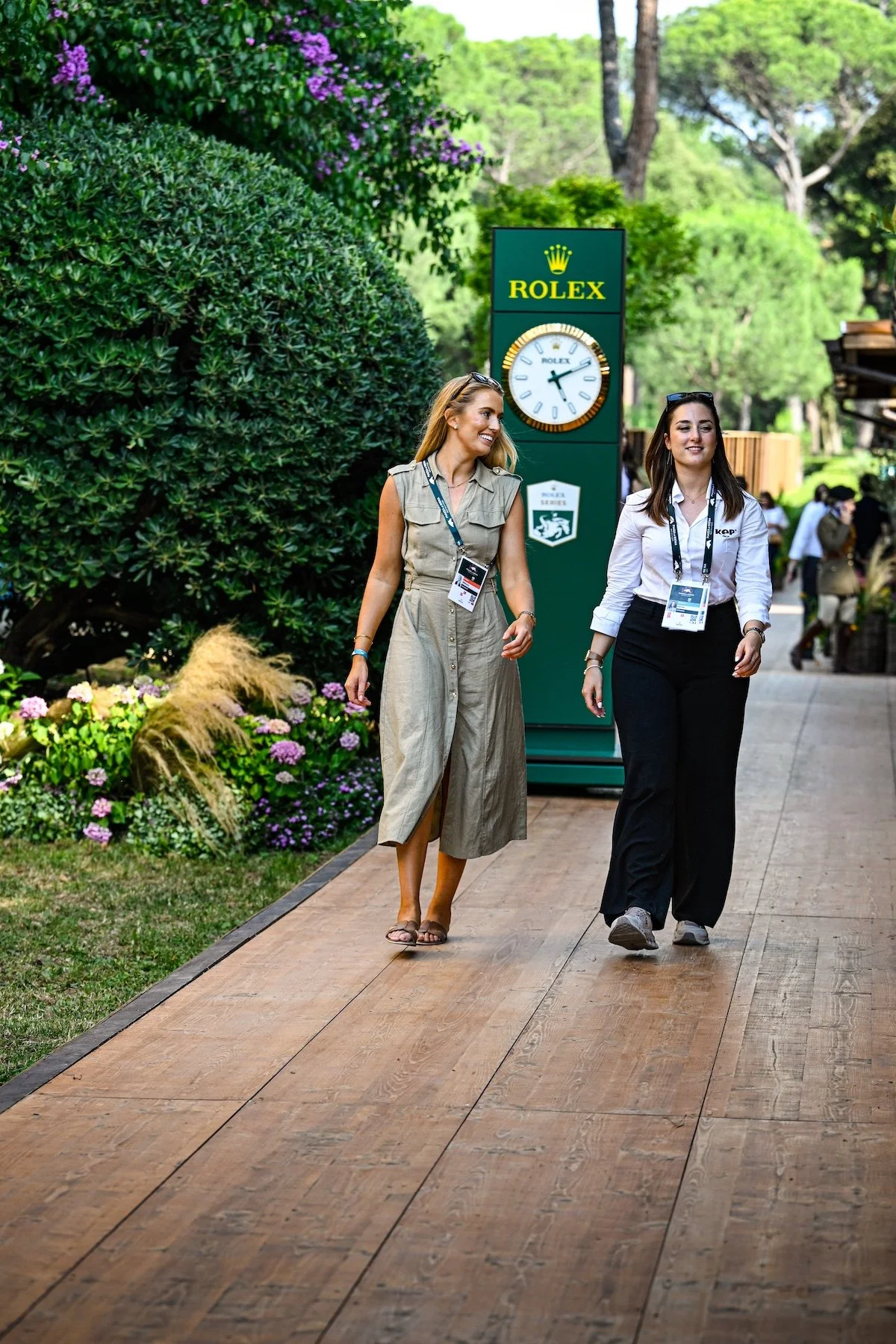
Left: Annual influencer event with Equestrian Stockholm. Middle left: FEI President Ingmar De Vos and EQuerry Founder, Christine Bjerkan. Middle Right: Christine Bjerkan and KEP representative, Serena Marchi. Photos: M. Froment/EQuerry Co. Middle: FEI.
Lovely Content. But is it Marketing?
When we started in 2017, Instagram was dominated by photography, Facebook offered considerably greater organic reach, and TikTok was barely part of the conversation. Nine years later, we're navigating short-form video, increasingly personalised recommendation algorithms, AI-powered discovery and a customer journey that rarely follows a straight line. Not to mention AI-generated visuals…
The traditional marketing funnel has changed enormously. Consumers discover brands through creators, search through social platforms, compare recommendations, encounter advertising and make purchasing decisions across multiple touchpoints. And yes, the algorithms can cause havoc. But we've learnt not to blame an algorithm for what is sometimes simply a lack of direction.
Posting regularly isn't a strategy. Neither is chasing engagement, copying trends or producing beautiful content without understanding what it's supposed to achieve.
We've worked with incredible brands, taken equestrian fashion to London Fashion Week, developed commercial partnerships and managed ambassadors amongst the world's leading riders. Those experiences have reinforced that creativity is most valuable when supported by clear positioning, audience understanding and commercial objectives.
As for TikTok and Snapchat? They're not necessarily my favourite places to spend an afternoon. But personal preferences have very little to do with whether a platform makes commercial sense.
The More we Learn, the More Questions we Ask
One of EQuerry's most significant developments has been our growing involvement in research, market analysis and strategic consultancy. We've conducted in-depth audience research, examined consumer behaviour and developed marketing and communications strategies for some of equestrian sport's largest organisations.
And one thing has become abundantly clear: The industry still has considerable gaps when it comes to understanding its own audiences.
We have strong traditions, established assumptions and plenty of opinions. But evidence is not always as readily available. Who participates, who watches, who spends, and why? What prevents new audiences from engaging? Where is commercial value being created, and where are we overlooking it?
Research doesn't always produce the answers organisations hope for - sometimes it challenges the entire premise of a proposed strategy. And we've learnt that this is precisely why it matters.
As we continue developing with our sole objective being to protect the equestrian sports and the horses and organisations at the heart of it, I hope we can contribute to a broader understanding of the industry and challenge some of the assumptions that have shaped it for decades. After all, progress requires curiosity, including the willingness to discover that you were wrong.
From the Catwalk to the Championship Arena
There have been some wonderful experiences along the way, and 2026 has been a particularly wild year. Working with the FEI for the delivery of the marketing of the 2026 World Championships in Aachen was certainly amongst the highlights. Whilst showjumping will always hold a special place in my heart, there's something extraordinary about bringing together all the FEI disciplines (except endurance), witnessing history being written by the best horses and riders in the world. It is a testament to the standard of modern sport and the development of horses and riders, and the skill involved never ceases to impress me.
And then there is the other side of international sport, which, when working with National Federations, brings in rule changes, expectations around evolving welfare standards, and legislative developments, in the midst of navigating shifts in public opinion, sometimes overnight. Working in this environment has taught us that communications must be both strategically consistent and operationally adaptable.
It's also reinforced that equine welfare and public trust cannot be treated as matters of presentation, because the sport's long-term commercial success depends on maintaining its legitimacy, accessibility and social relevance. And, occasionally, on people being willing to open the rule book and understand the depth of a topic before publishing their opinion.
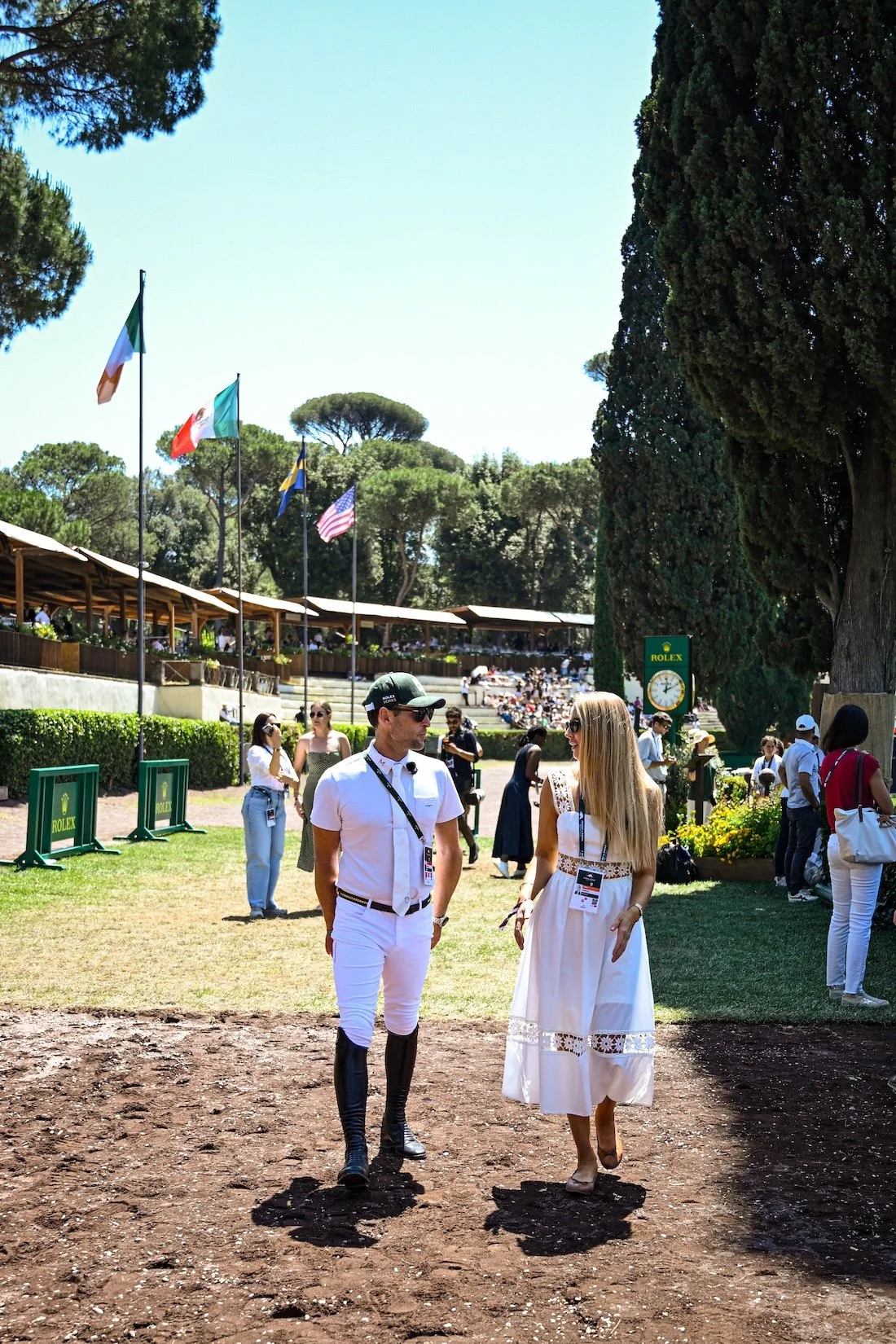
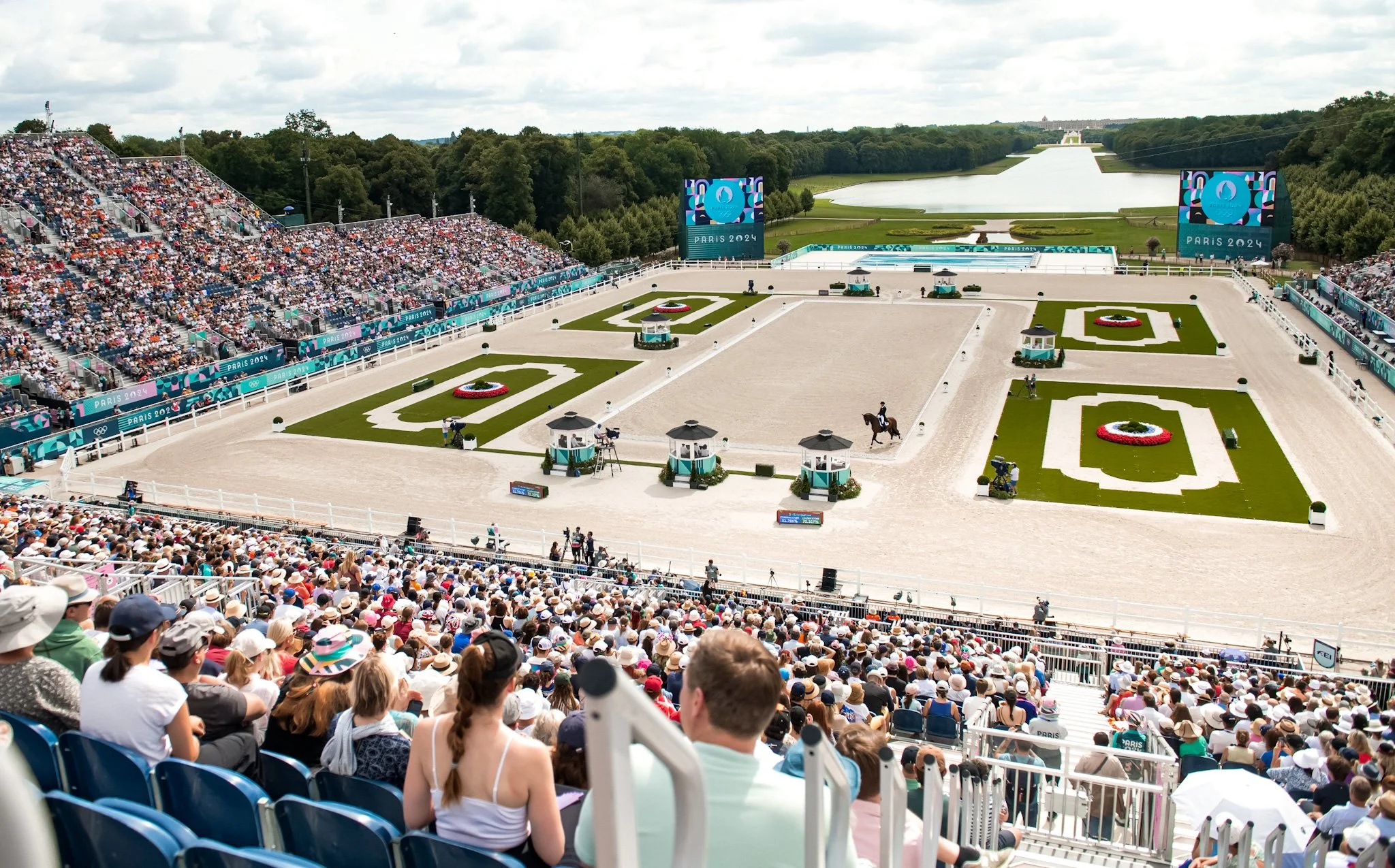
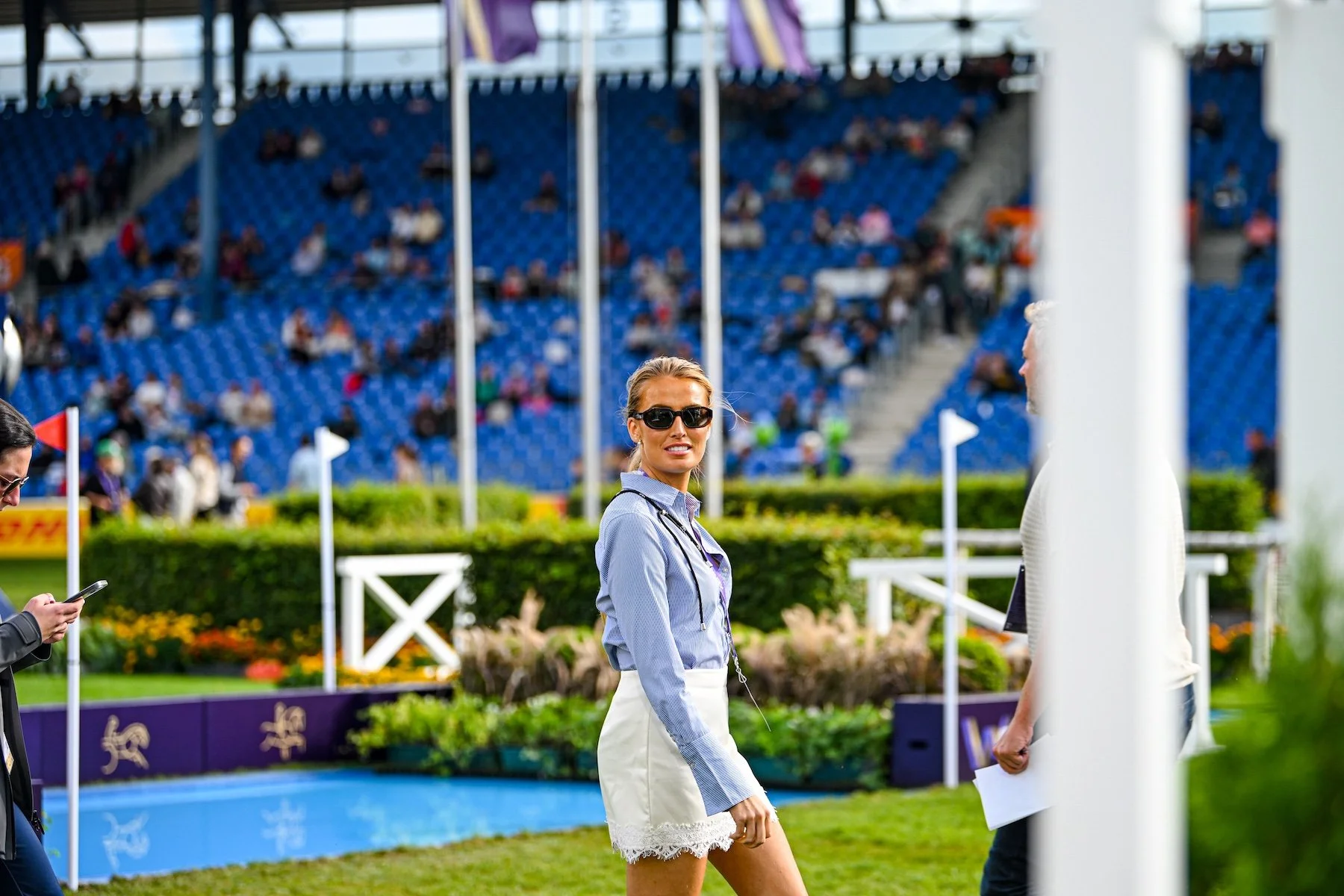
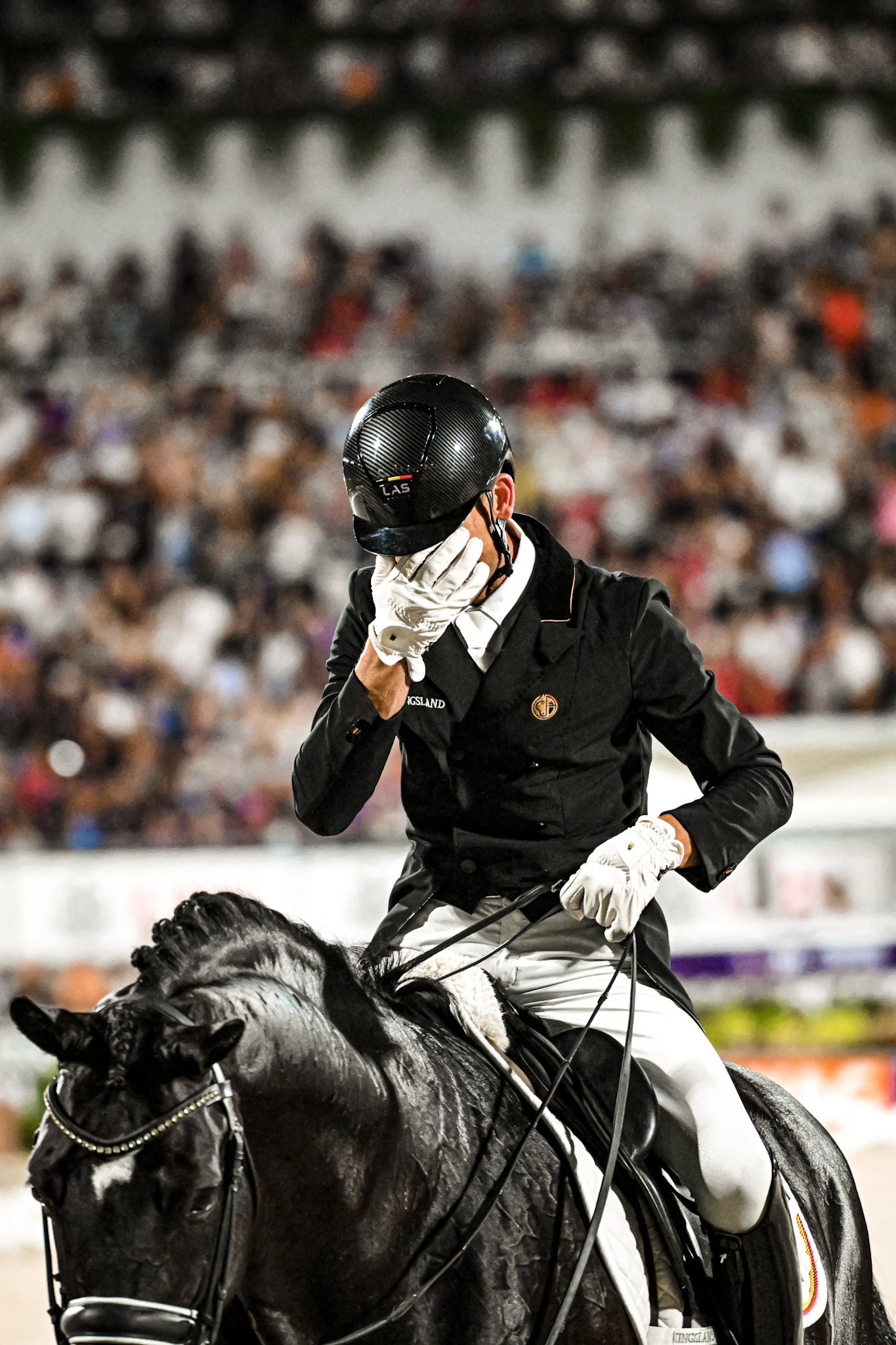
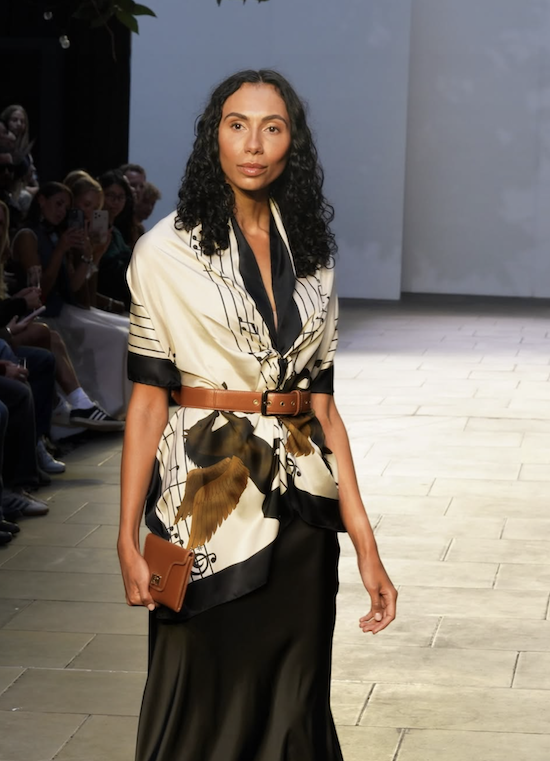
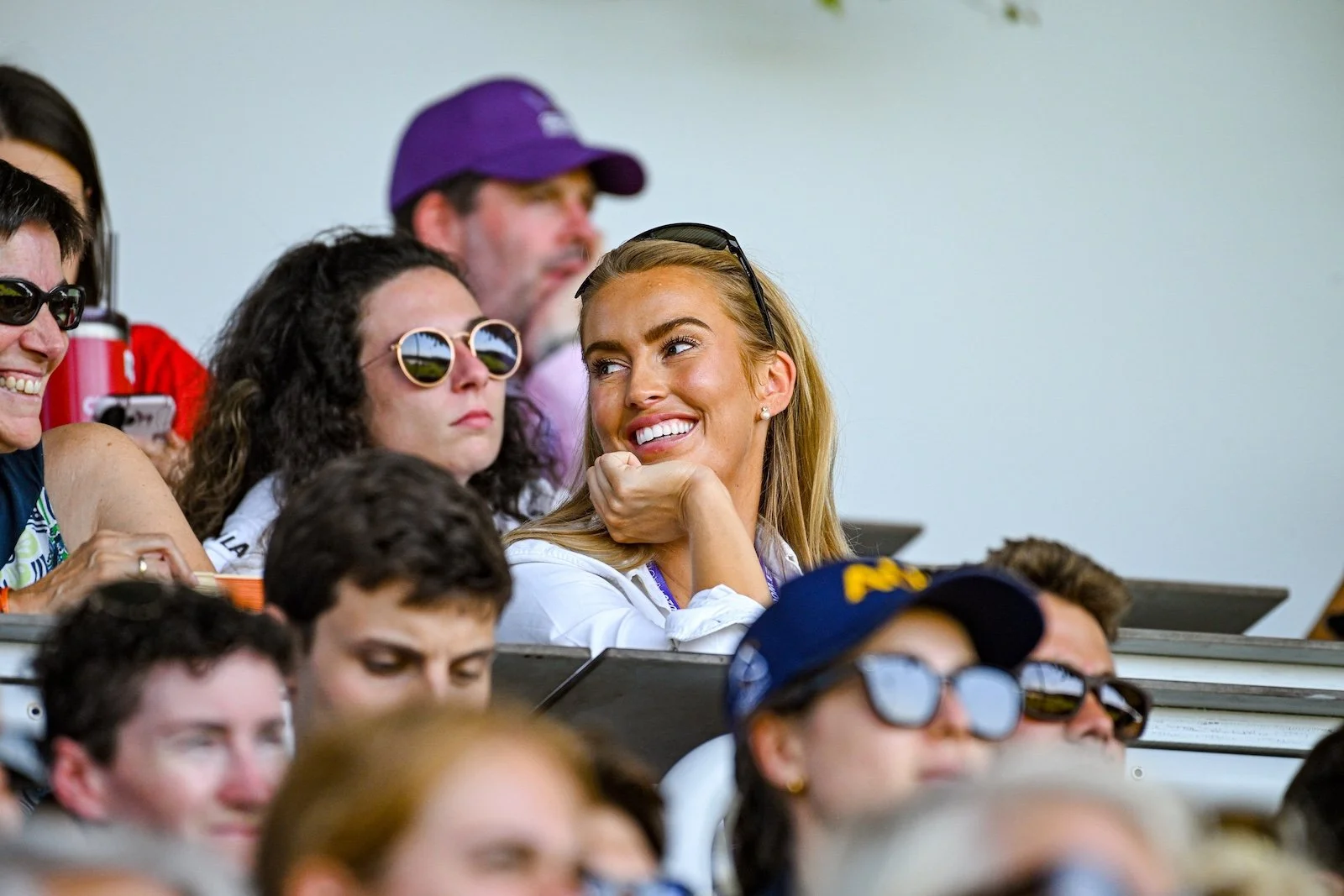
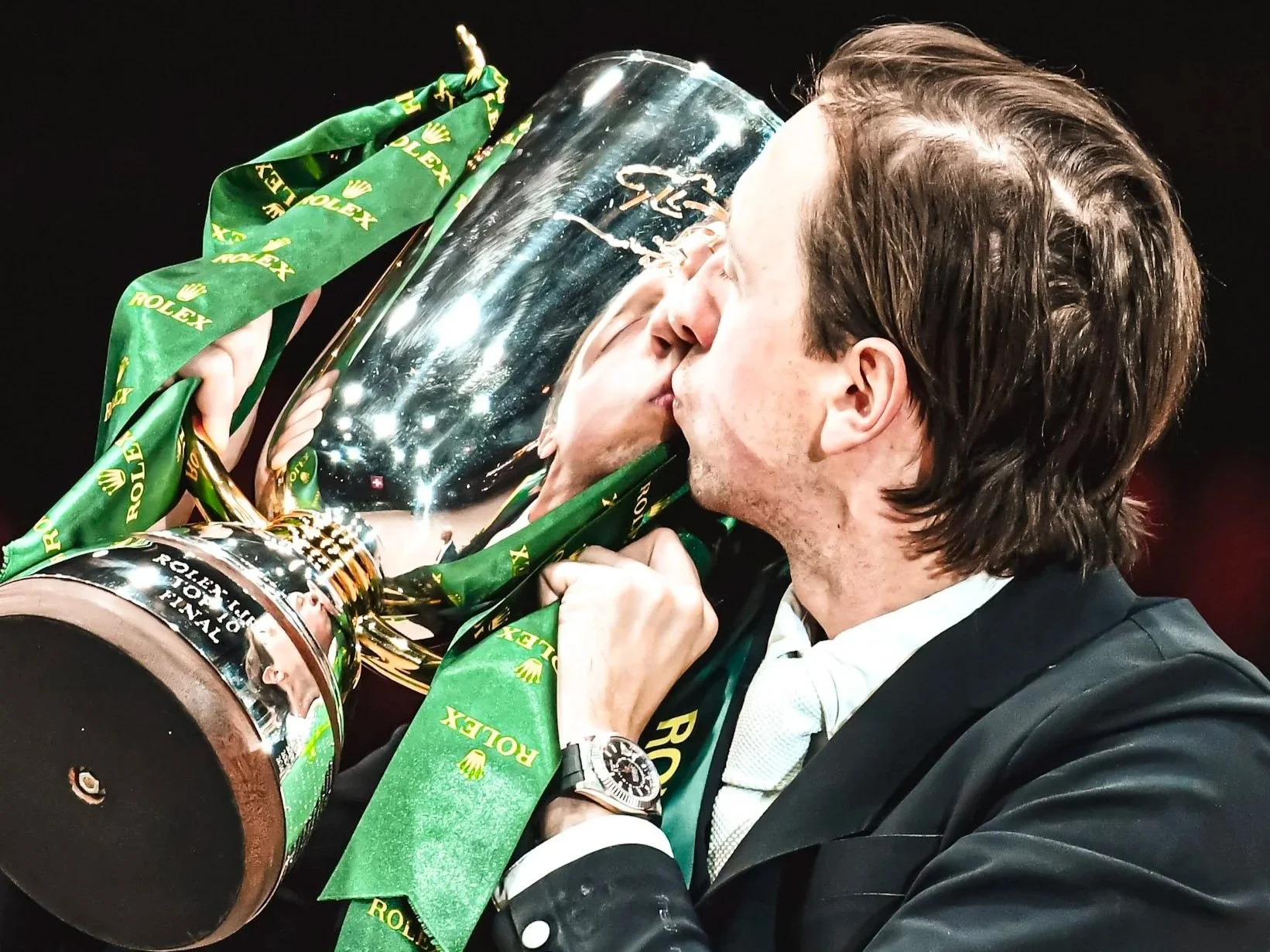
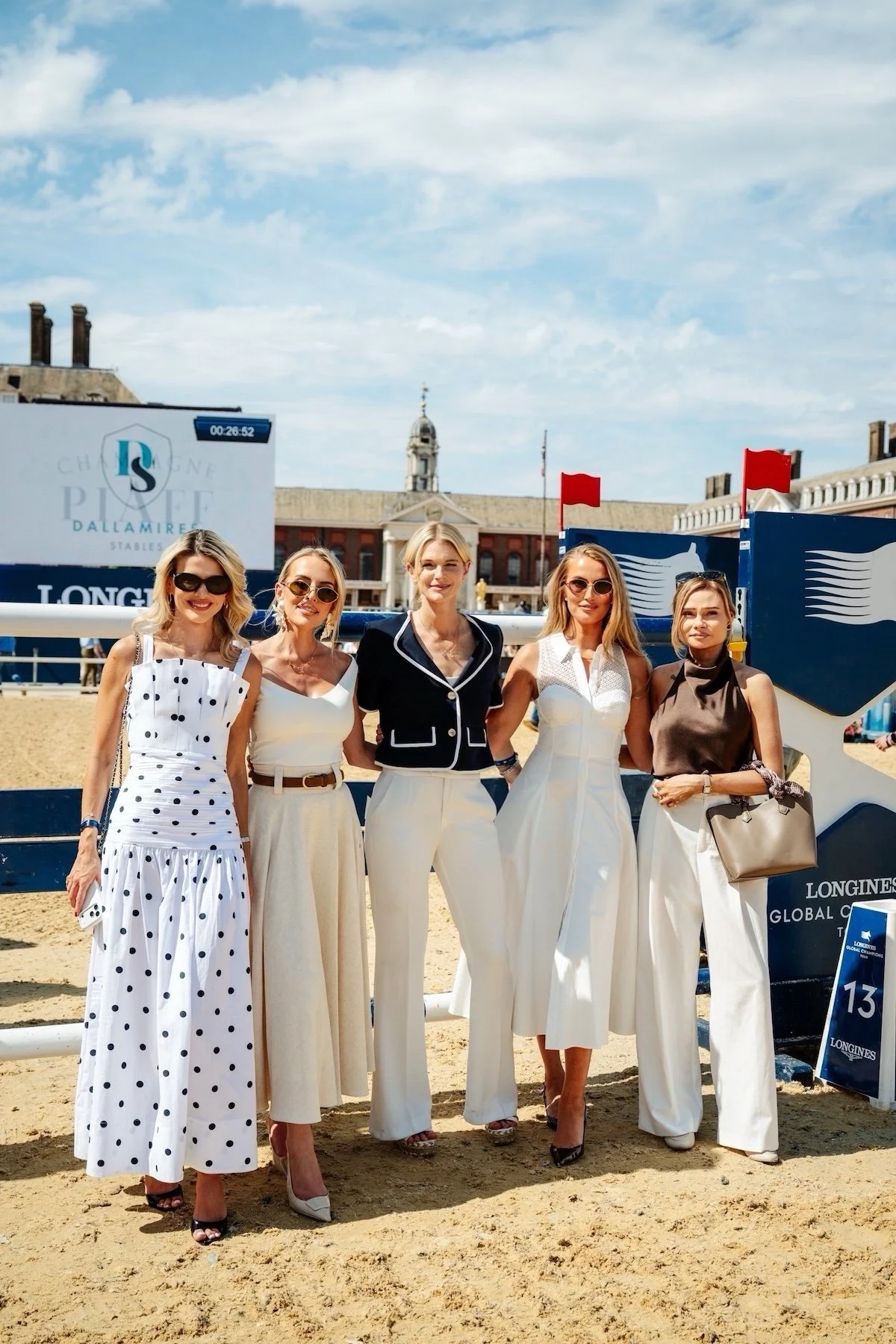

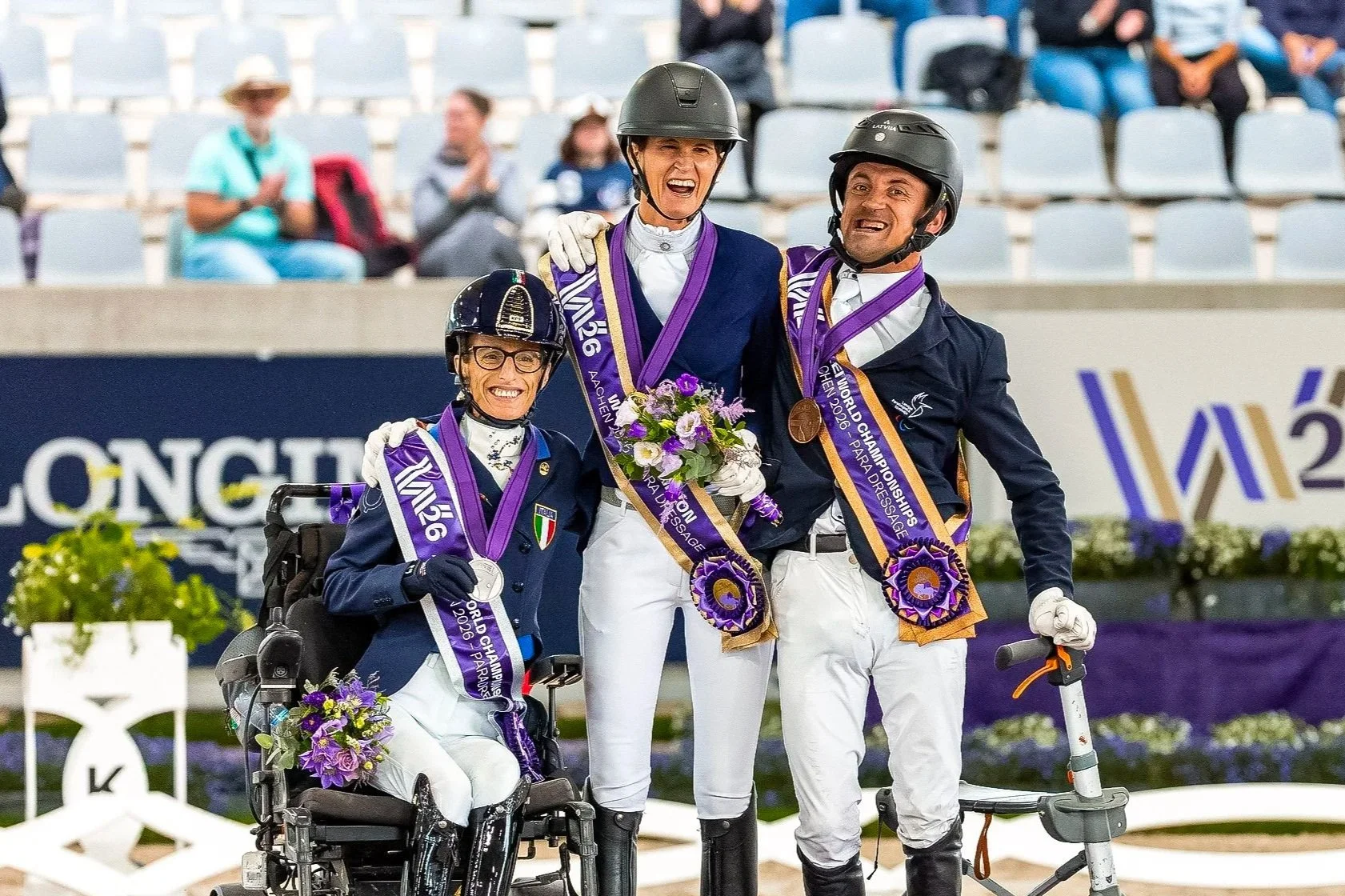
Above: From Paris 2024 to client events, the Wolrd Championships 2026, London Fashion week, and everything in between. Images: M. Froment/EQuerry Co, C. Grimshaw/EQuerry Co, Neightiv Global.
Influence, Authenticity and the Things AI Cannot Replace
Influencer marketing has also undergone quite a transformation, and one of my favourite examples of its potential is Swedish rider Carl Hedin.
Carl has managed to build a substantial personal brand whilst remaining closely connected to training, horsemanship and competitive sport. His content makes the equestrian lifestyle accessible without losing sight of the horses themselves. It's a balance that more brands and athletes could learn from.
Authenticity is particularly important as artificial intelligence becomes embedded in marketing. AI offers extraordinary opportunities for research, analysis, content workflows and understanding consumer behaviour. But when virtually anyone can generate polished content in seconds, genuine expertise, lived experience and original perspectives become more valuable, not less.
And from what the data shows us, that makes real sport even more important. You cannot manufacture the unpredictability of a championship round, the years of training behind a performance or the relationship between horse and rider. Those are the stories worth telling.
It's also one of the reasons we started The EQuerry Magazine: To take the learnings from EQuerry and put them into a space for more considered conversations about the sport, its people, business, welfare and future. After all, not everything meaningful can be communicated in a fifteen-second reel.
Nine Years Later, we’re Still Learning
In the last year, we have noticed that our social media formats, creative ideas and occasionally rather specific details have been replicated elsewhere. I suppose being copied is the greatest form of flattery, but I also know that copying someone else’s work will only get you so far. And perhaps that is the biggest learning of all, over the last nine years. I've learnt the value of boundaries, the importance of a good team, that not every opportunity is the right opportunity, and that being busy is not the same as making progress. We've made plenty of mistakes, and I'm sure there are a few still waiting for us.
Nine years on, our work has evolved enormously, but the motivation remains much the same: A fascination with the business of horses, a belief in the potential of equestrian sport, and a genuine desire to contribute something worthwhile to its future.
I'm incredibly grateful to everyone who has been part of the journey, from our clients and collaborators to the people who have helped shape EQuerry along the way. And regardless of whether it's mares or stallions, dressage or jumping, established traditions or emerging technologies, one thing remains wonderfully uncomplicated: It's always been about the horses. And it always will be.
Here's to another nine years, and everything we have yet to learn.