Through the Horse’s Eyes: Rethinking Equine Welfare
What does it truly mean to see the world through a horse’s eyes? This was the central question at the World Horse Welfare Annual Conference 2025, a hybrid event that brought together leading scientists, veterinarians, policymakers, equestrian professionals, and passionate horse owners from around the globe. The conference challenged attendees to move beyond traditional notions of horse care and to embrace a more empathetic, evidence-based approach, one that puts the horse’s perspective at the very heart of welfare decisions.
The Five Domains: A New Framework for Welfare
A recurring theme was the scientific evolution in understanding animal welfare. The “Five Domains” model, which covers health, nutrition, environment, behaviour, and mental state, was highlighted as a transformative framework. While health and safety remain fundamental, speakers emphasised that true welfare encompasses much more: it’s about what horses want and need as sentient, thinking beings, not just what humans find convenient or efficient.
What Your Horse Would Like You to Know
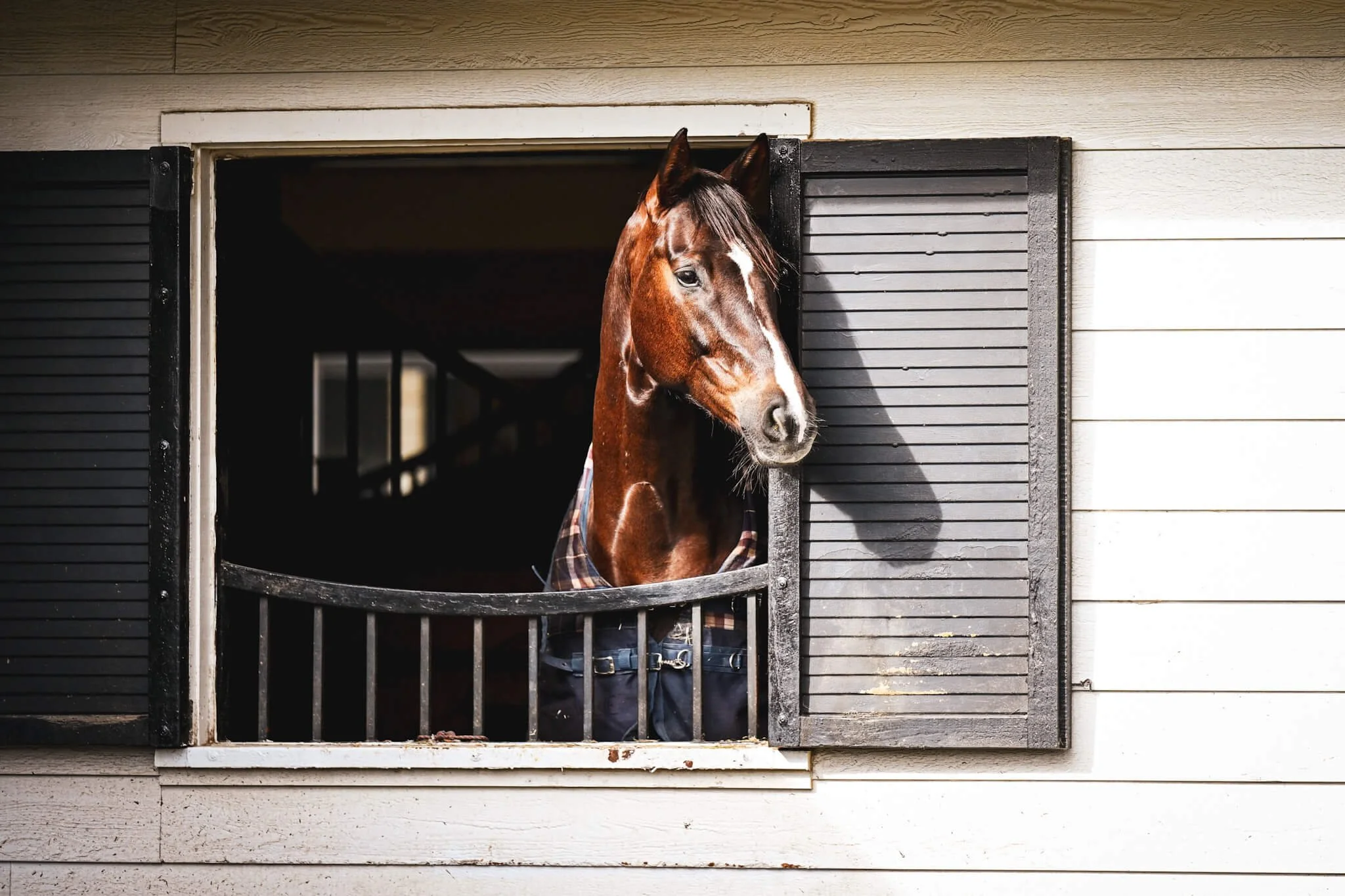
Professor Janna Winter Christensen, a leading ethologist and scientist, summarised five key facts that horses would want us to know:
Horses are sentient and emotional: They feel fear, pain, joy, frustration, and even depression. Their emotional lives are complex and deserve recognition.
Movement and foraging are essential: Horses evolved to roam and graze for most of the day, with access to a biodiverse environment. Modern management often restricts these behaviours and plant diversity, leading to frustration and abnormal behaviours.
Social contact is a need, not a luxury: Horses are deeply social. Denying them meaningful interaction with other horses causes stress and can lead to stereotypies.
Horses communicate their emotions: Subtle cues, such as facial expressions, body language, and behaviour, reveal much about their well-being, but humans must learn to listen.
Horses do not plan ahead: Misinterpreting their behaviour as “naughty” or “spiteful” is both unfair and counterproductive. Instead, we must understand their limitations and avoid blame and punishment.
“Social contact is not just a nice-to-have, it's a need to have.”
Professor Janna Winter Christensen, emphasising the importance of social bonds for horses.
Science and Empathy: Bridging the Gap
The conference showcased important research, such as Dr Syed Saad Ul Hassan Bukhari's exploration on donkey emotions, which revealed that these animals experience pain and emotion just as acutely as horses, despite common misconceptions about their stoicism. His studies demonstrated that owner education, particularly about donkey emotions and the ability to feel pain, directly improves welfare outcomes. This underscores the importance of translating scientific evidence and knowledge into practical, compassionate care.
The Three Fs: Friends, Freedom, Forage
A powerful message echoed throughout the day: the “Three Fs”, friends, freedom, and forage, are the foundation of a good life for horses. Providing opportunities for social interaction, movement, and natural grazing isn’t just idealistic; it’s essential for physical and mental health. Yet, as many speakers acknowledged, real-world constraints, such as limited space, traditional infrastructure, and economic pressures, often make this challenging. The call was for creativity, incremental change, and a willingness to question established routines.
Rethinking Human-Horse Relationships
Olympic eventer Pippa Funnell shared her personal journey, illustrating how empathy, patience, and self-reflection have shaped her approach to training and partnership. She stressed the importance of trust, consistency, and seeing each horse as an individual. Her stories highlighted that success is not just about winning, but about building genuine relationships based on mutual respect and understanding.
“Trust takes years to build, seconds to break, and forever to repair.”
Pippa Funnell, on the value of trust in horse-human relationships.
Universal Lessons: What Beavers Can Teach the Horse World
One of the most unexpected highlights of the conference came from Rick Hester, Director of Animal Care and Well-being at Cheyenne Mountain Zoo. Hester’s presentation focused not on horses, but on beavers, a species whose welfare challenges in captivity are similar to those faced by horses in human care.
He explained that stereotypic behaviours, such as repetitive pawing, arise when animals are kept in restrictive, monotonous environments. The solution was not simply more enrichment objects, but a fundamental redesign of the environment to allow natural behaviours. This led to lasting improvements in welfare.
The lesson for horse owners is clear: just as beavers thrive when given choice and opportunities to express natural behaviours, so do horses. Providing movement, social interaction, and foraging is essential for their well-being. The “Four Free Operant Freedoms”, the ability to initiate, repeat, invent, and self-pace activities, are as vital for horses as for any species. Ultimately, true welfare comes from designing environments and routines that respect each animal’s instincts and individuality.
Practical Innovations: Welfare by Design
Sam Tibbetts, an equine veterinary nurse, described how she designed her rehabilitation centre around the horse’s perspective. Features such as open examination rooms, choice of environment, interactions with equipment, and social groupings were all intended to reduce stress and empower horses to participate in their own care and to take part in answering their own questions, aligning with the “Four Free Operant Freedoms” outlined by Hester. Importantly, no horse is ever alone, recognising their behavioural need for social contact. The message was clear: even small changes in management and environment can have profound effects on welfare.
“Design isn't just about function. It's also about communication. A place that includes choice says to the horse, you are safe, you are seen, you are heard. You have agency.”
Sam Tibbetts, equine veterinary nurse, on designing welfare-centred environments.
Policy, Public Perception, and Social Licence
Panel discussions tackled the broader context: how can policy and public attitudes keep pace with advances in welfare science? There was consensus that legislation must be informed by evidence and adaptable to new knowledge. However, enforcement and education remain significant challenges. The concept of “social licence”, the public’s acceptance of equestrian activities, was seen as increasingly vital. The equine sector must lead by example, transparently demonstrating high welfare standards to maintain public trust.
“If we don't do that, I think others will do it for us in a way which could very much... we could lose the strong traditions, the good traditions that we have alongside possibly some practices that should be questioned.”
Liz Savile Roberts, MP, on the need for proactive welfare policy.
The Role of Media and Communication
The media’s role in shaping perceptions and disseminating accurate information was also debated. Journalists and editors were urged to present science clearly, avoid sensationalism, and use language that reflects the sentience and individuality of horses. Social media, too, was recognised as a powerful tool for education and advocacy.
A Call to Action
The conference closed with a challenge to all attendees: What will you do differently, now that you’ve looked through the horse’s eyes? The answer, it seems, lies in a commitment to continual learning, self-reflection, and incremental change. By combining scientific insight with empathy and practical action, we can create a world where horses’ needs and perspectives are truly at the centre of everything we do.
As Her Royal Highness, the Princess Royal, reminded us in her closing address, the enduring partnership between humans and horses is built on mutual respect, understanding, and, above all, choice. If we are to honour that partnership, we must keep asking ourselves: are we seeing the world as our horses do?
References:
All content and quotations are drawn from the World Horse Welfare Annual Conference 2025.