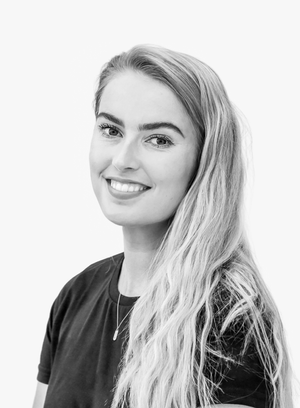
A Path of Her Own Making: How Nathalie Wahlund Made Her Own Way Into Elite Dressage
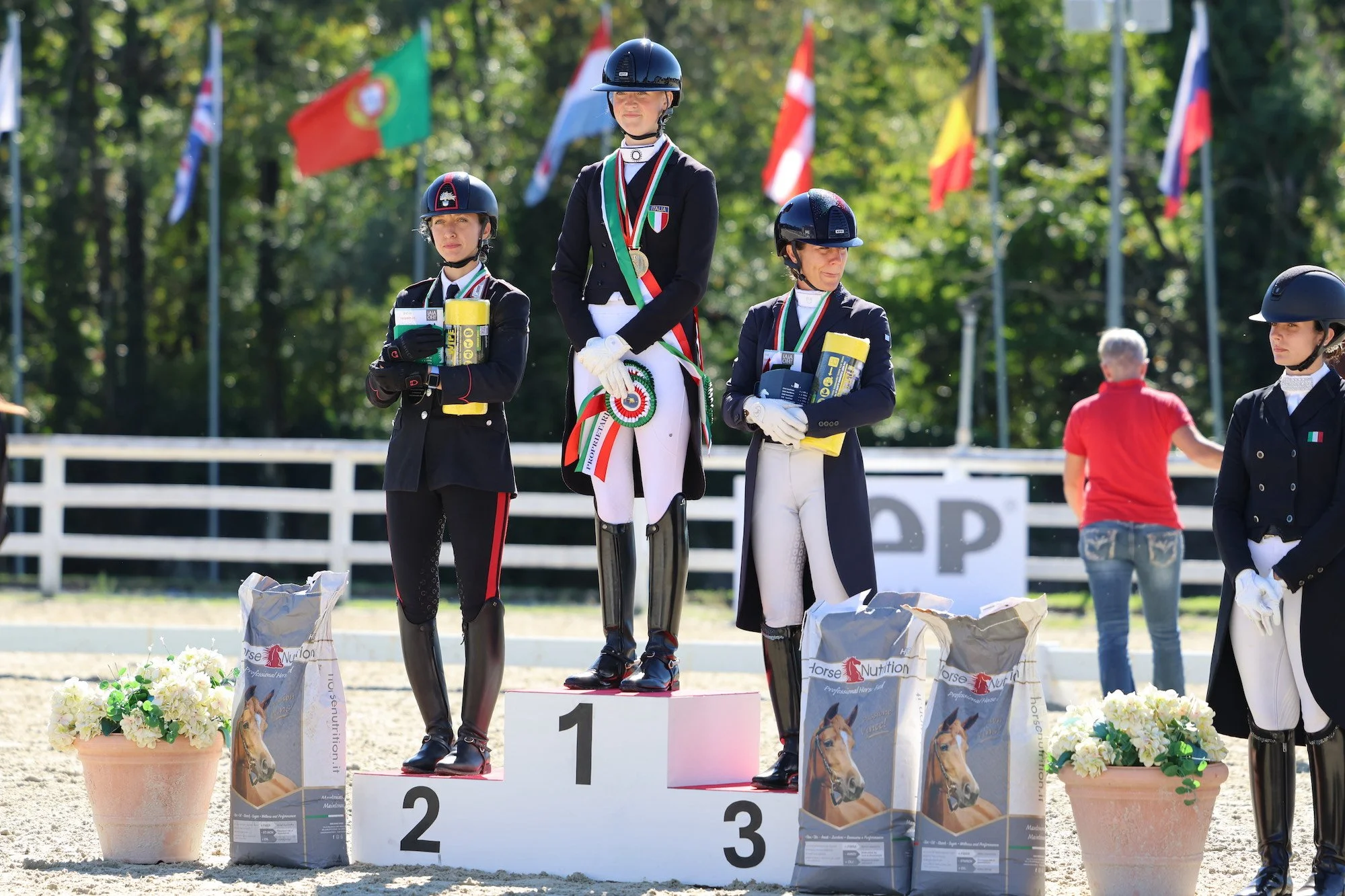
Nathalie Wahlund did not come from an equestrian family, nor from the typical pathway into elite dressage. Her route to top-level sport has been a self-built, self-engineered journey, shaped without inherited access or legacy structure. Yet she now rides for Italy, proving that elite sport can be entered from a completely different starting point.
Her story is not about doors that were opened for her, it is about doors she built herself. And in this, she is part of a new generation redefining what it means to rise in the sport: Not through lineage, but through vision, method, and unwavering belief.
1. Considering your background, what did your route into horse sports look like?
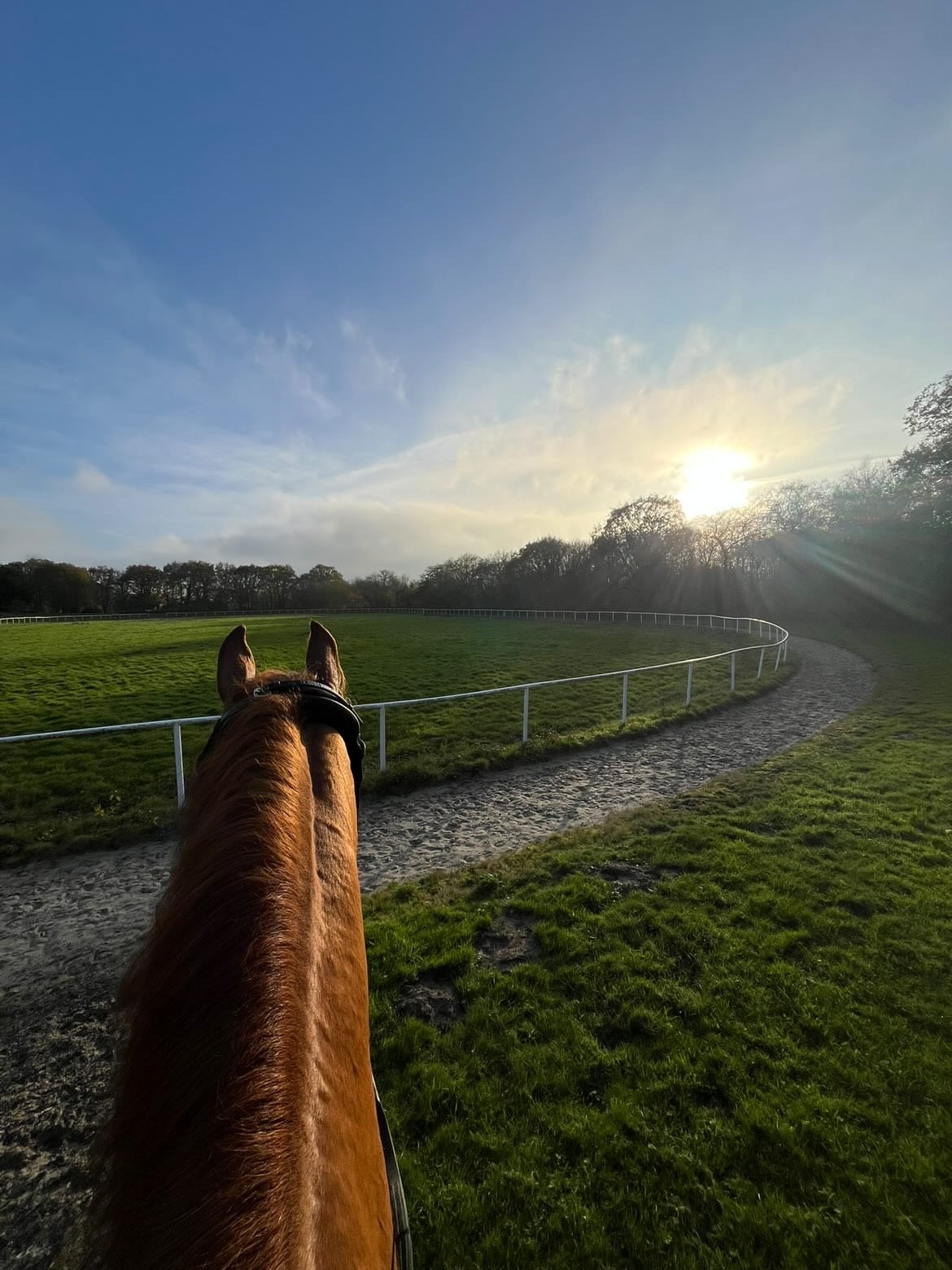
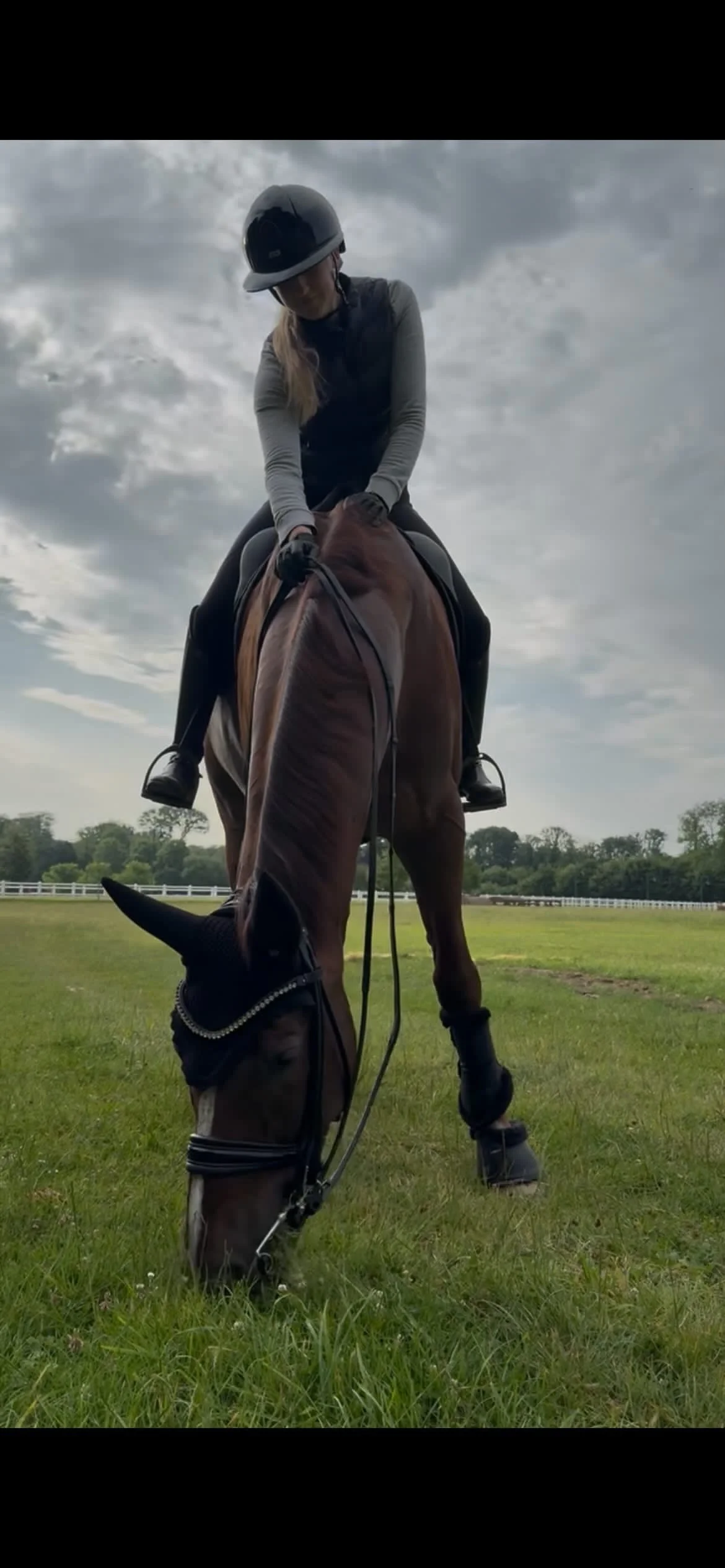
I didn’t grow up surrounded by horses or in a family that had connections within the equestrian world. My path has been quite unconventional and often improvised — made up of small chances that I turned into opportunities. My fascination with horses started as a child; for some reason I was always drawn to them. I still remember the first time my mum took me to the local riding school and, from that day, I was hooked. I spent every day after school, weekends and whole summers at that riding school just watching, helping, grooming — doing anything to be near the horses.
I was lucky to very early on be able to sit on many different types of horses and would literally get on anything. I learned a lot by observing and from every person and every horse willing to teach me something.
Those early years were about graft, gratitude and belonging. They grounded me in real horsemanship — not the polished version, but the kind that comes from muddy boots, quiet yards, and trial and error. That foundation has shaped how I ride and train today. It gave me a deep respect for the process, and for the individuality of every horse I work with.
2. What principles guide your daily decision-making with horses?
For me, everything starts with respect — for the horse’s body, their mind, and their individuality. I try to make every decision with a long-term view, asking: Will this make the horse more confident, stronger, or more willing tomorrow?
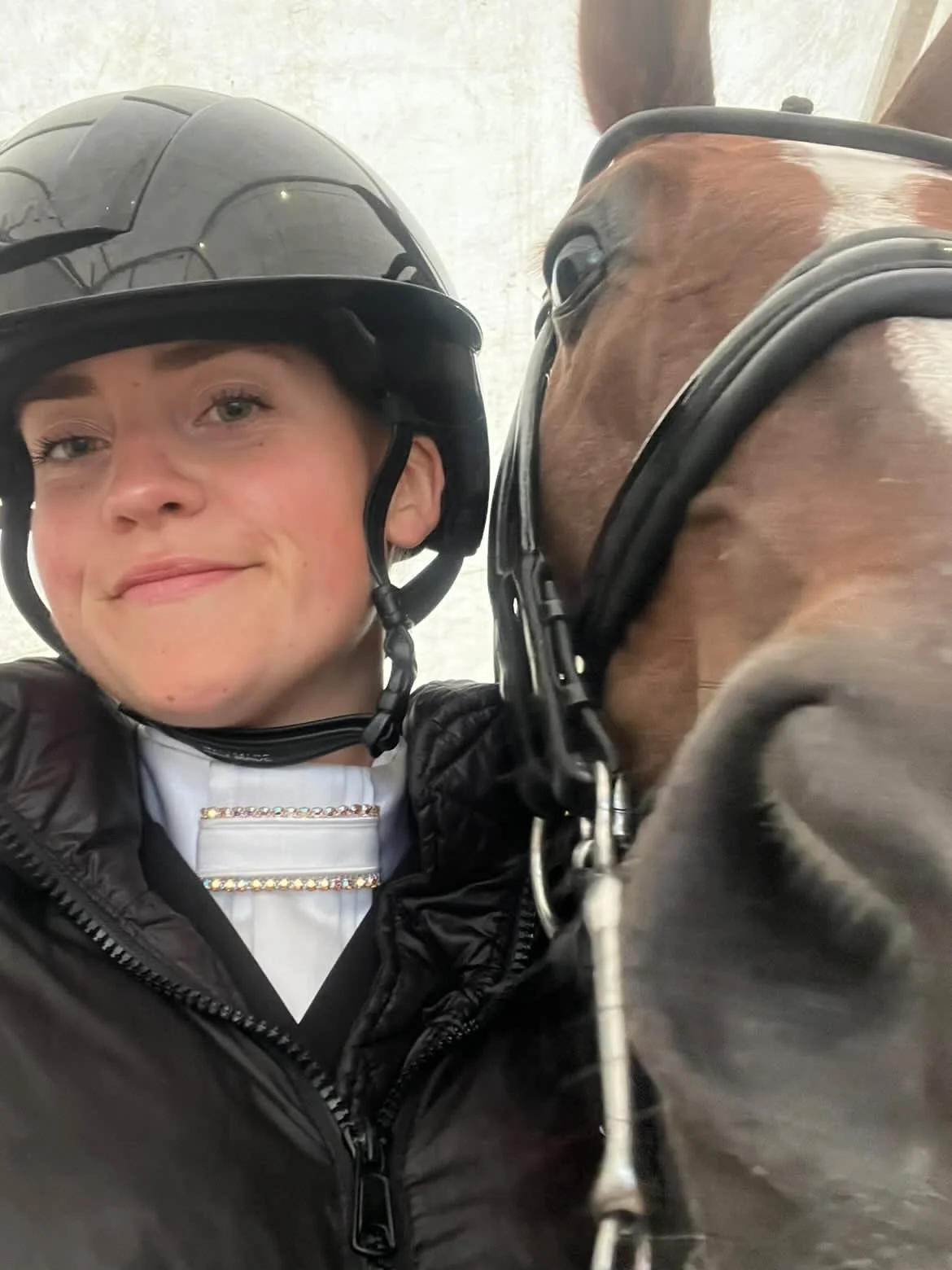
Patience is another core principle. I believe dressage, at its heart, is a language — and you can’t rush someone into speaking a new language fluently. My job is to listen as much as I teach. And finally, honesty. Horses feel every intention behind what we do. I’ve learned that when I’m clear, fair, and consistent, they meet me halfway.
3. As an International Grand Prix rider, are there trade-offs that people rarely see?
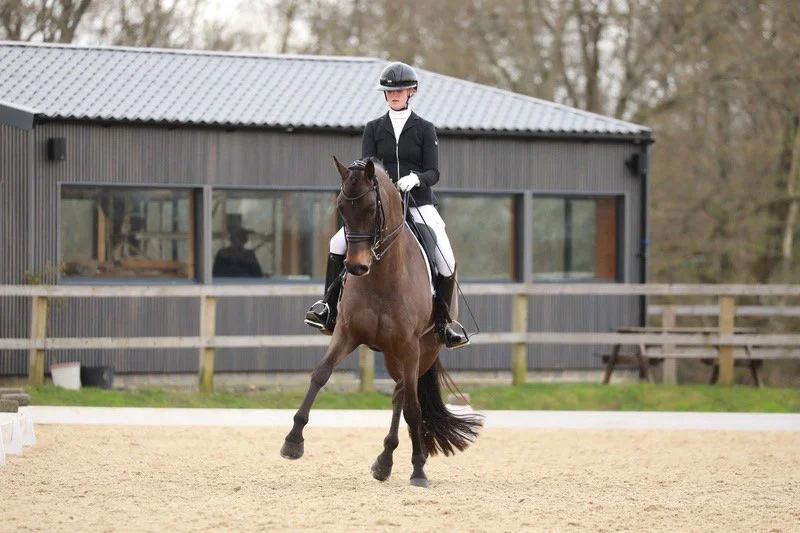
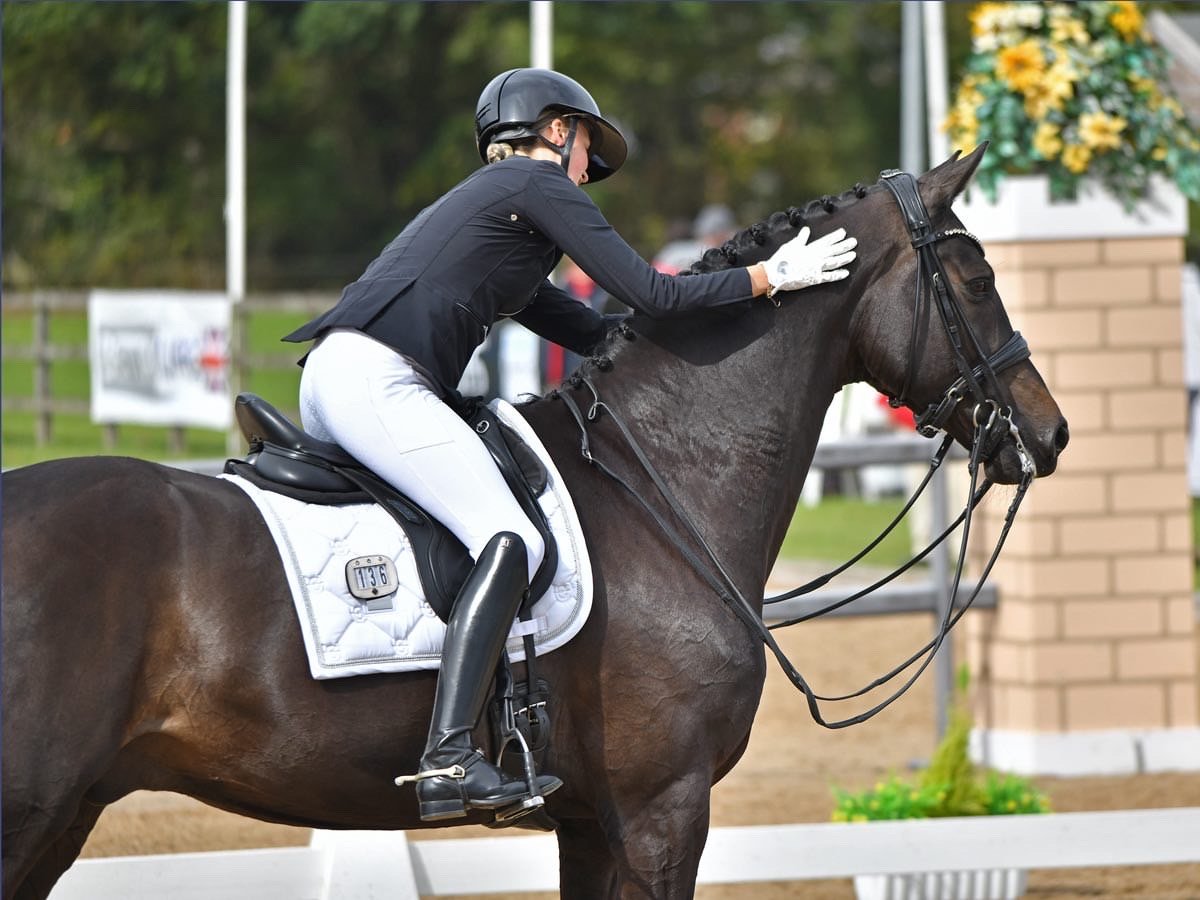
There are many. What people often see are the polished moments — the competition arenas, the results, the photos — but behind that are years of quiet sacrifice. The sport asks everything of you: time, financial stability, relationships, mental strength, and a lot of faith when things don’t go your way.
There’s also an emotional cost that’s rarely talked about. You invest your whole self into these horses — your energy, your hope, your love — and progress is never linear. There are setbacks, doubts, and times when it feels like you’re standing still. But I’ve learned that the price of commitment is also the proof of purpose. It’s what gives meaning to the work.
4. What role has mental strength played in reaching this level, and how has your mindset evolved?
Mental strength is everything in this sport. For me, it’s about developing calmness and clarity under stress — being the kind of rider the horse can trust when things get difficult.
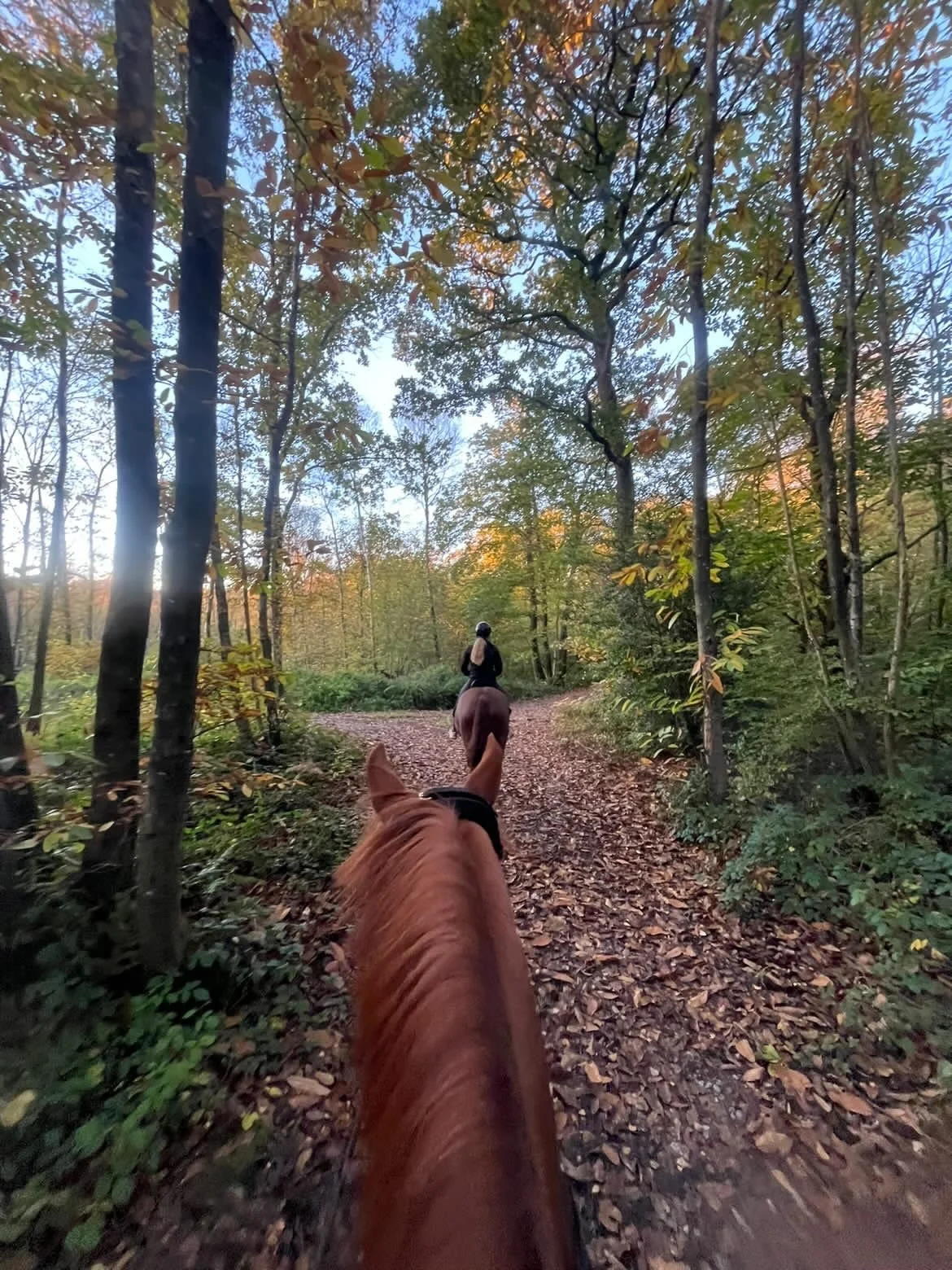
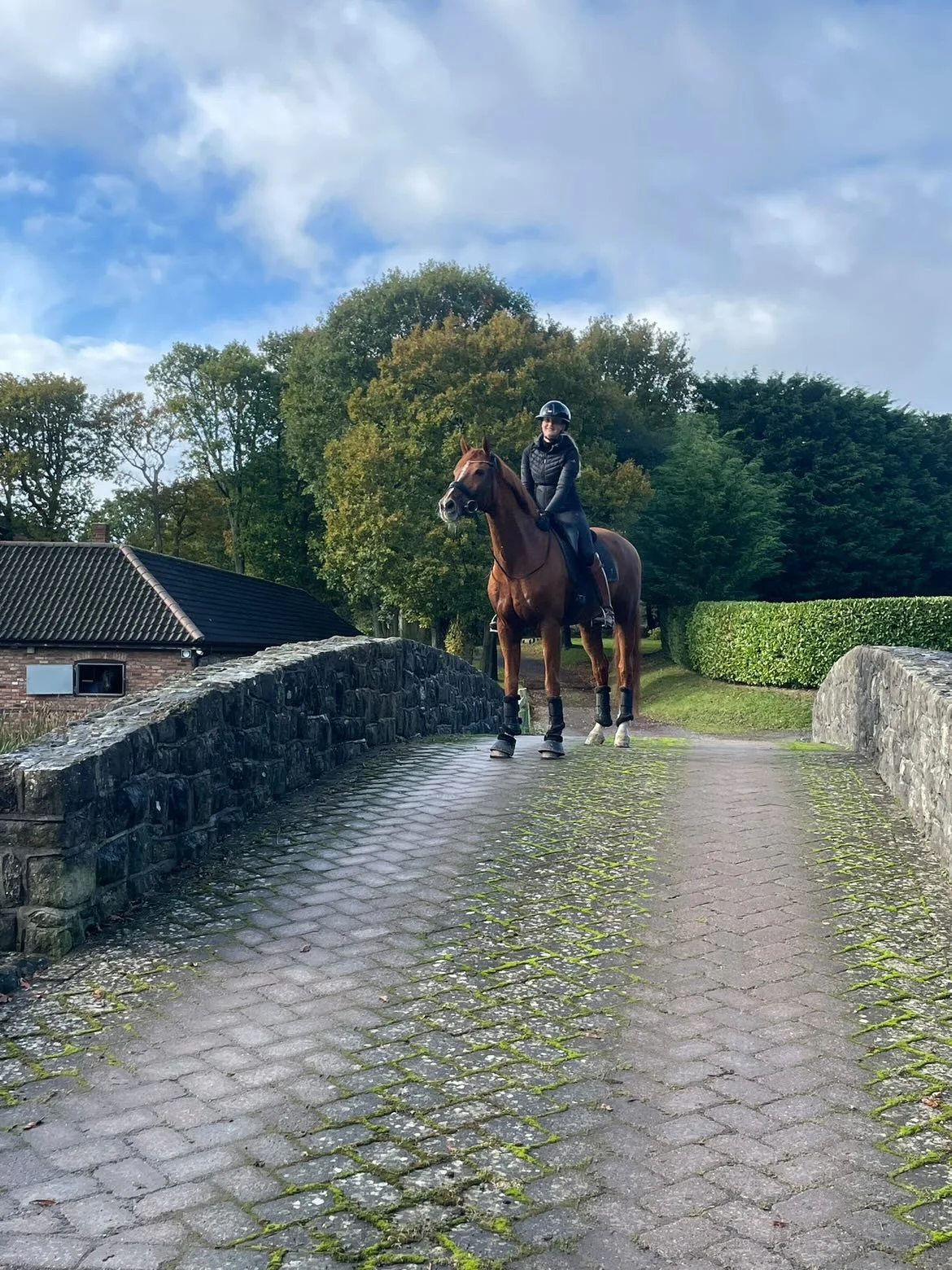
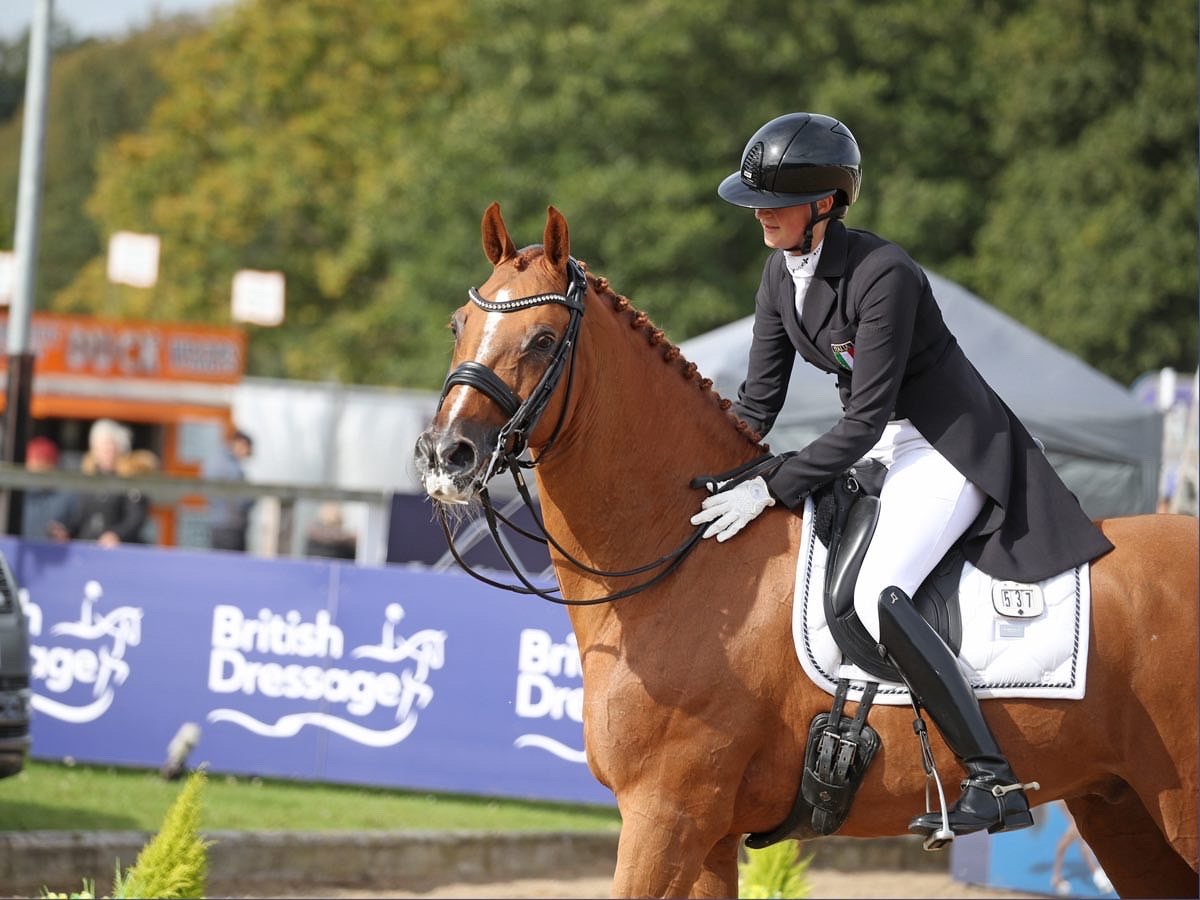
A huge part of that growth has come from working with my mental coach, Linnea Aarflot from ReMind. She has helped me understand my own responses, recognise when tension starts to build, and develop tools to stay grounded in moments where, before, I might have let nerves take over. The work we’ve done together has changed not just how I ride, but how I approach challenges in general. It’s given me a sense of steadiness that the horses feel immediately.
My mindset has also evolved through the support of my trainer, Sune Hansen. Having a trainer you genuinely trust — someone you can talk to openly, exchange ideas with, and rely on for honest guidance — makes an enormous difference. Sune is incredibly supportive, and the communication we have is something I value deeply. When you can speak freely with your trainer, you learn faster, you train smarter, and you carry far less pressure on your own shoulders.
“In the early years, I equated ambition with tension — trying harder, pushing more. Over time, I’ve learned that true strength is softness with focus. That’s been a huge evolution for me.”
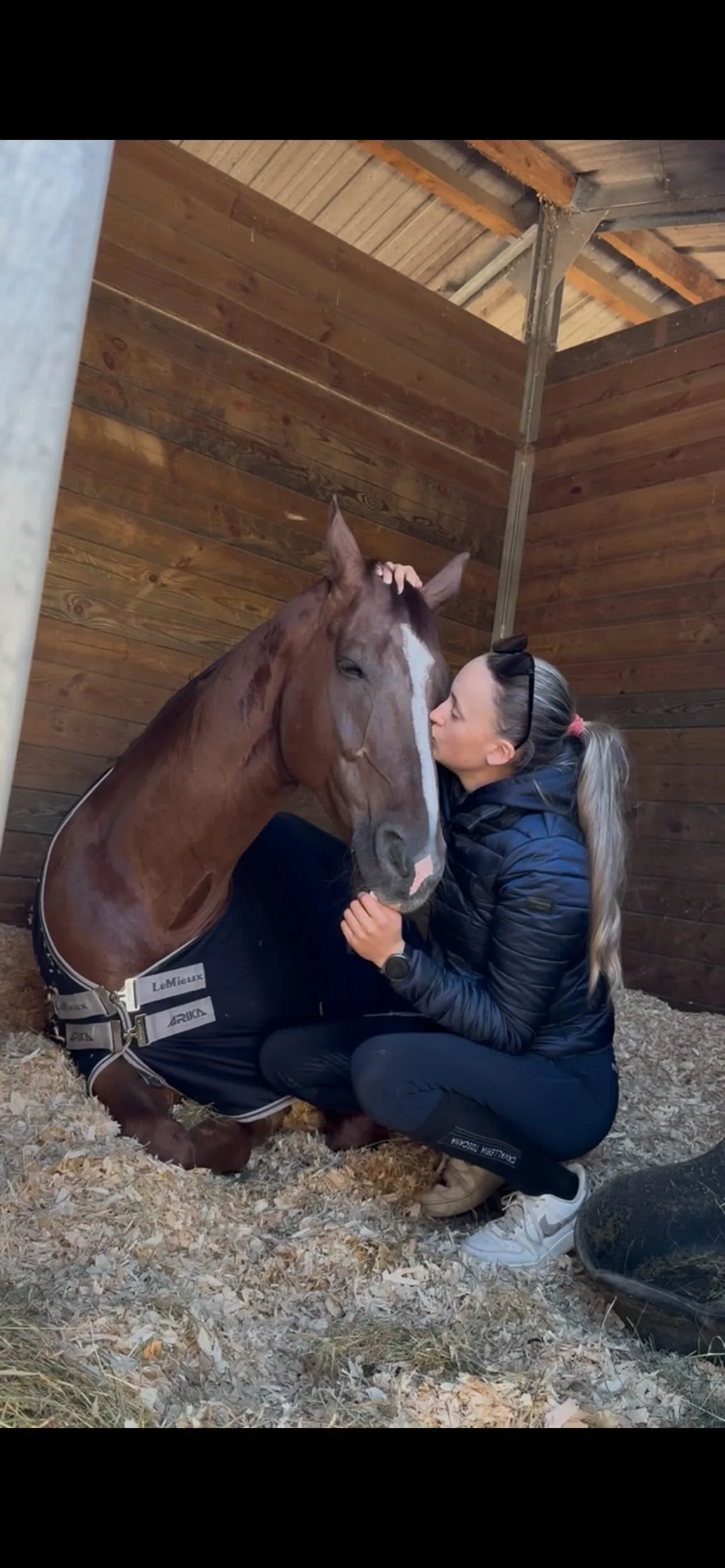
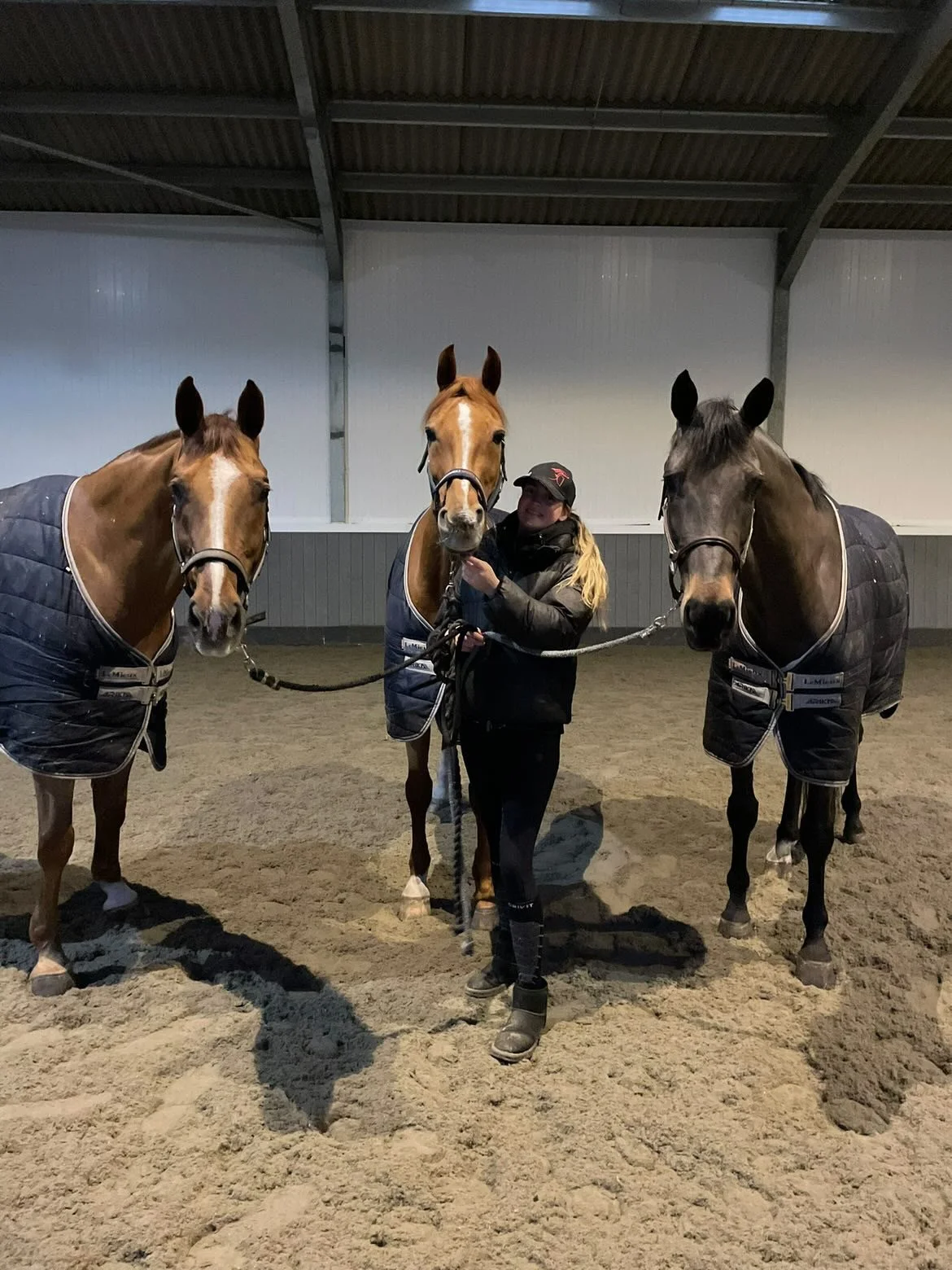
To protect my own wellbeing, I try to stay grounded in perspective: results don’t define the quality of the partnership. And to protect the horses, I build stability into their lives — consistent care, time in the field, familiar people. Happiness isn’t a luxury for them; it’s part of their performance foundation.
5. Is there anything you hope young riders learn earlier than you did?
I hope they learn that there is no single route to success. You can build your own system — your own way of understanding horses — even if you don’t come from the “right” background. The key is consistency, endless curiosity, and the courage to think independently.
I also wish I had learned earlier that slow progress is not failure. In fact, the longer I am in this sport, the more I see that slow progress is usually where the real foundations are set. Dressage requires a depth of understanding — from both horse and rider — that can’t be rushed without creating cracks later. Some of the most meaningful improvements in my own riding happened during phases that felt like nothing was moving forward. Those were the moments when the real work was taking place beneath the surface: my feel was developing, the horse was gaining strength or confidence, and we were learning to trust each other more deeply.
“I think horses learn in layers, and riders do too. Slow phases are not a sign that you’re doing something wrong; they’re a sign that you’re building something durable and honest. When young riders embrace slow progress, they become steadier, softer, and far kinder to themselves — and that is the kind of rider every horse deserves.”
And to riders who don’t come from privilege: don’t let that define you. It can actually be your strength. When you have to build everything yourself, you develop resourcefulness and humility — qualities that make you not just a rider, but a true horseman.
6. Where do you want your path to lead next?
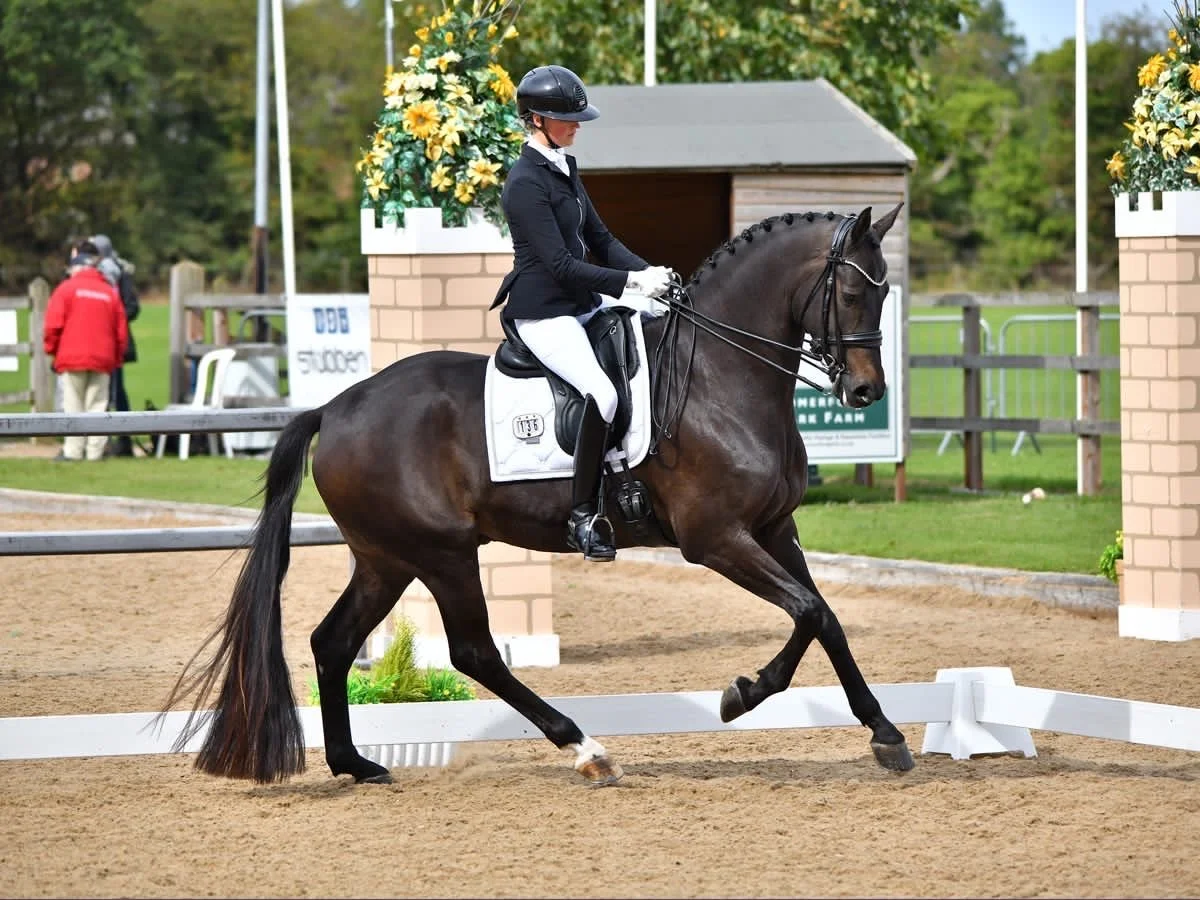
I want to keep learning and refining my skills — developing Grand Prix horses that are not only technically correct but also joyful and expressive in their work.
Partnership, for me, is the true measure of success in dressage. Not the score at the end of the day, but the feeling that the horse allows you in — that they understand your balance, your rhythm, your intention — and that you, in turn, understand theirs. It’s something that develops gradually through thousands of small, consistent choices: clarity in training, kindness in difficult moments, and the willingness to adjust yourself before asking the horse to adjust to you.
“At the top level, the movements are just a framework. What brings them to life is the relationship behind them. When a horse performs with understanding rather than tension — with expression rather than obedience — that’s partnership. Those are the moments that stay with you.”
Looking ahead, I hope to contribute to a wider culture in dressage that values mental welfare, authenticity, and true horsemanship as much as competitive success. I still have a long way to go and so much to learn, but my personal goal is to keep proving that the top of the sport can belong to anyone willing to build their way up with dedication, purpose and integrity.