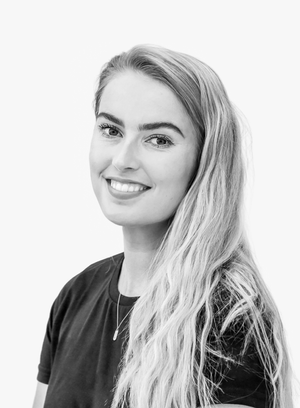
From Olympic Rider to Industry Architect: A Conversation with Lisen Bratt Fredricson
In equestrian sport, men and women compete on equal terms, one of the rare arenas in global sport where gender equality is built into the rules of competition. At EQuerry, we believe that celebrating equality should not be limited to a single day on the calendar; it is something that deserves recognition every day. However, International Women’s Day also offers a moment to highlight individuals whose influence extends beyond the arena, and women who help shape the future of a sport and industry itself. And few embody that spirit more than Lisen Bratt Fredricson.
An Olympic rider for Sweden, Lisen has long been a familiar name in international showjumping, but her impact has extended far beyond the competition ring. Through the showjumping stable and home she shares with Peder Fredricson at Grevlunda, along with international shows and brand initiatives, she has helped build an interconnected ecosystem around horses, sport, business, and culture.
In this conversation, she reflects on the transition from elite sport to entrepreneurship, the challenges of driving change in a traditional industry, and why passion for the horse must remain the foundation of everything the sport becomes.
From the Ring to the Boardroom
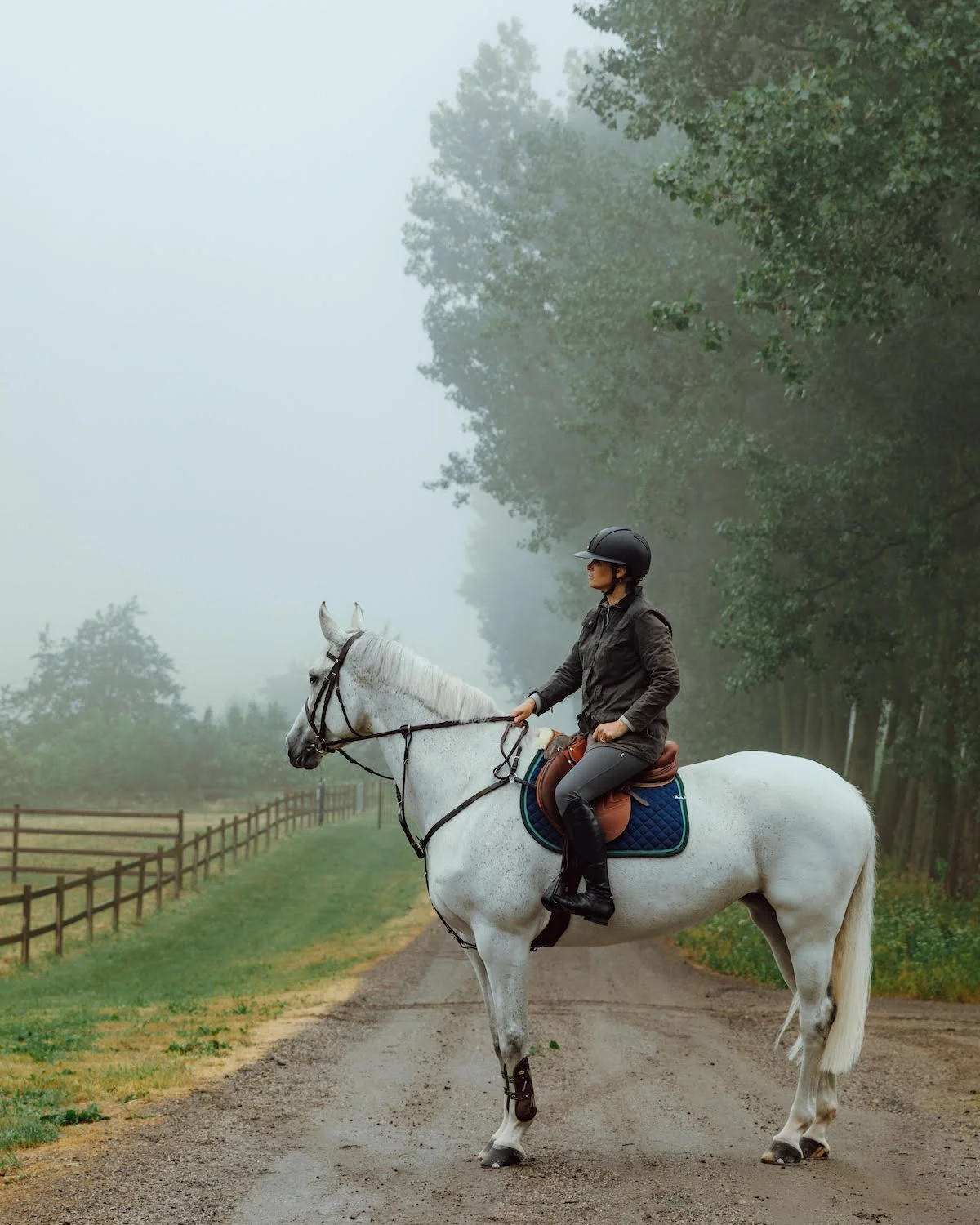
You went from being a regular on the Swedish team, riding at two Olympic Games, to stepping back from top-level sport to focus on other projects. Looking back now, what was the real turning point when you realised your primary contribution to the sport might no longer be inside the ring?
“I have always had many ideas for businesses and projects. Even as a small child, I was constantly finding ways to create something of my own, selling stones (!), apples, and even organising showjumping competitions for the neighbourhood when I was about ten years old. I also worked at a Tivoli, and by the age of fourteen, I had already left school to start working, first at the local riding school and later in a record shop.”
“After competing at two Olympic Games, I felt a strong desire to devote more time and focus to building new initiatives. That said, my passion for horses and showjumping has never changed; it has simply found new expressions beyond the arena. I want to keep learning, stay curious and pursue what inspires me, but I also know that, just as with horses, it requires a great deal of hard work.”
“My life today is not so different from when I was competing professionally. No two days are the same. Each day takes me somewhere new, learning, problem-solving, travelling, meeting people, and working with horses. I love that.”
Building an Ecosystem, Not Just a Brand
From Grevlunda to Swedish Select Horse Sales, Jönköping Horse Show, and Get the Gallop, you have built what is almost an ecosystem around the sport rather than a single company. When you start something new, what questions do you ask yourself to decide whether a project is worth the time, risk and money?
“I only start projects that genuinely inspire me. I never pursue something simply because it might be a good business opportunity if I do not feel engaged by it. I am guided by curiosity and enthusiasm, and I truly love the process of creating something new, whether it is breeding or finding horses, designing a new Get the Gallop bag, or developing a new business idea.”
“As with most things in life, it often comes down to chance and timing. The right people at the right moment can create real magic, so I always try to keep an open mind and keep my eyes open for exciting opportunities.”
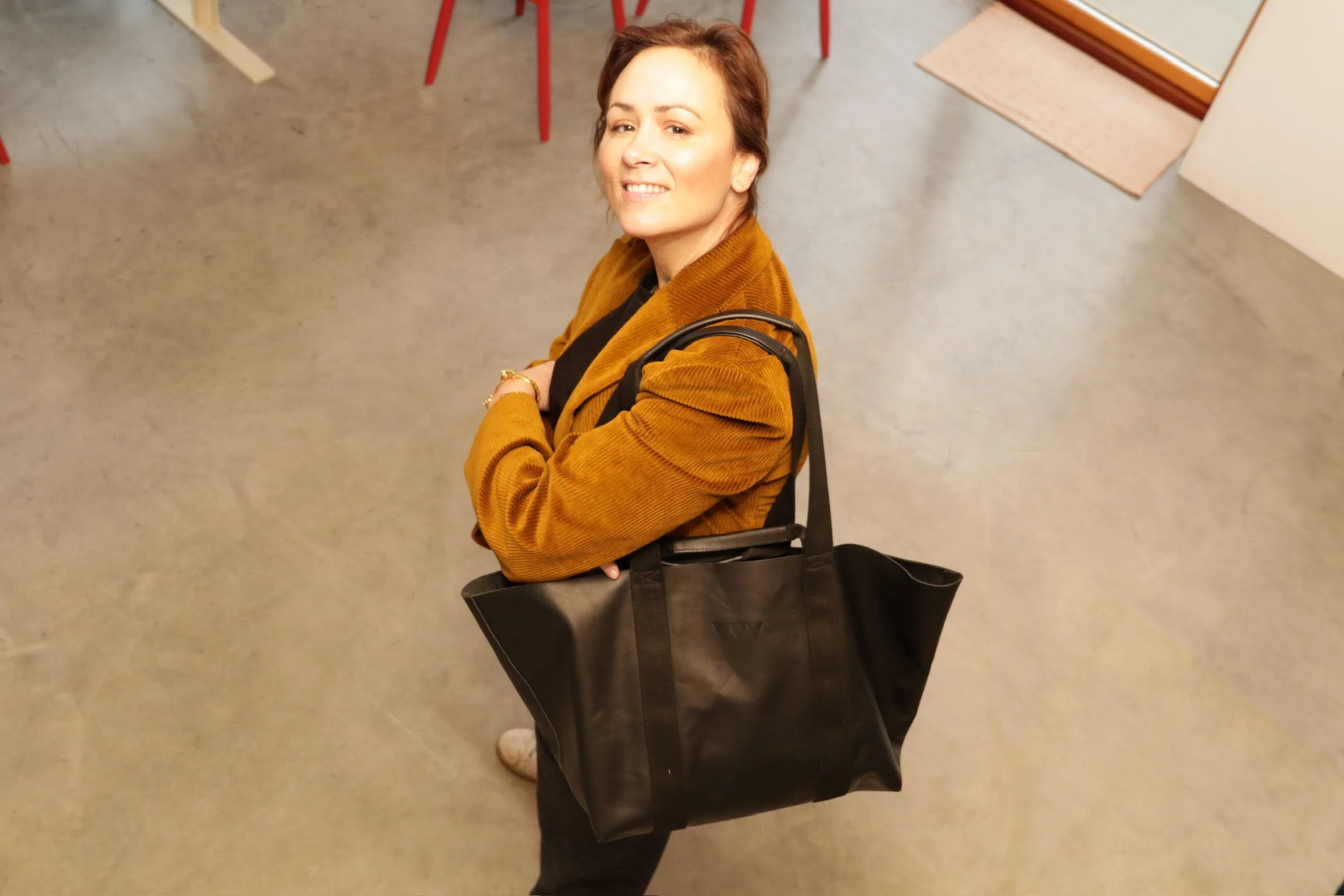
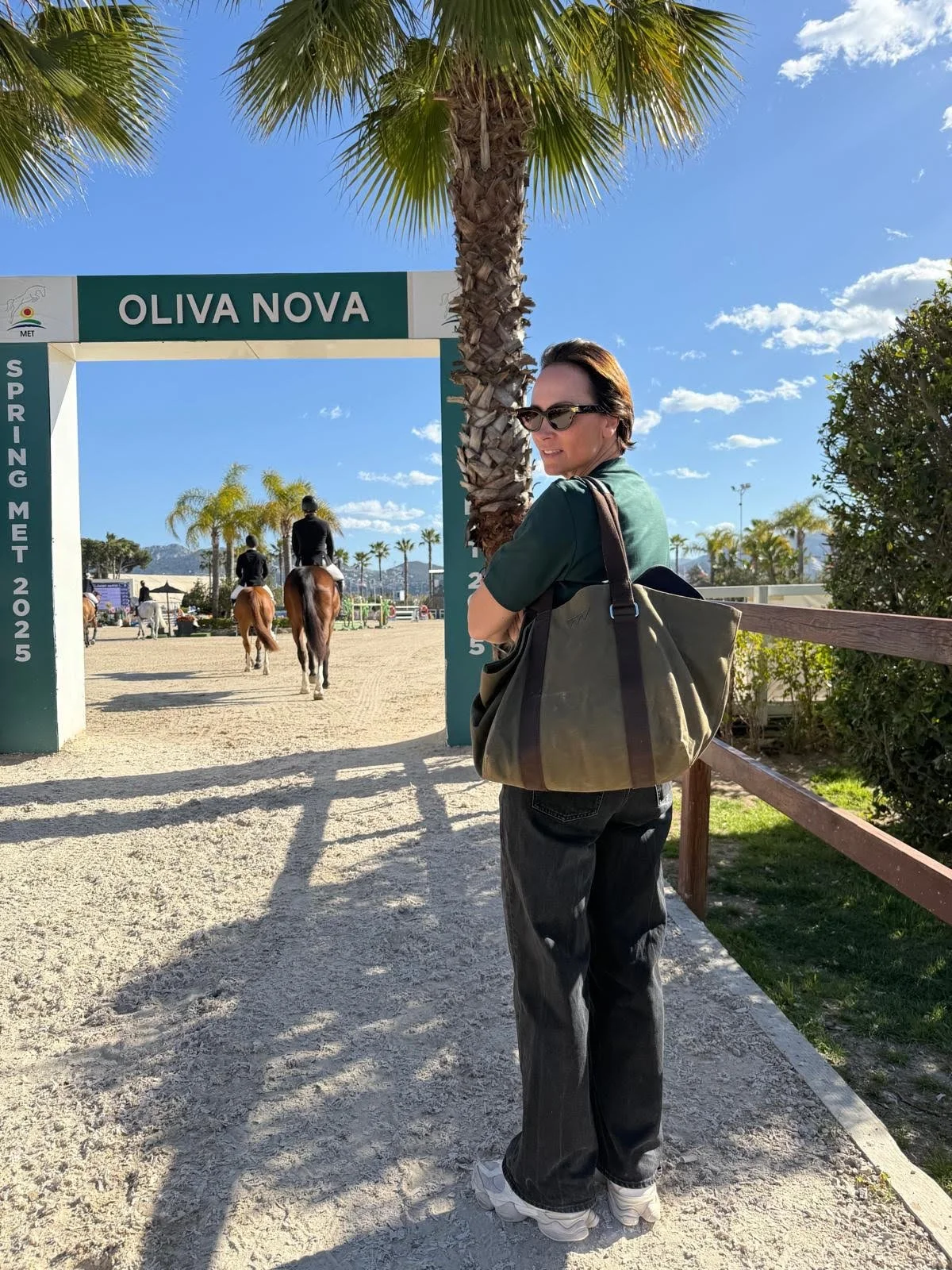
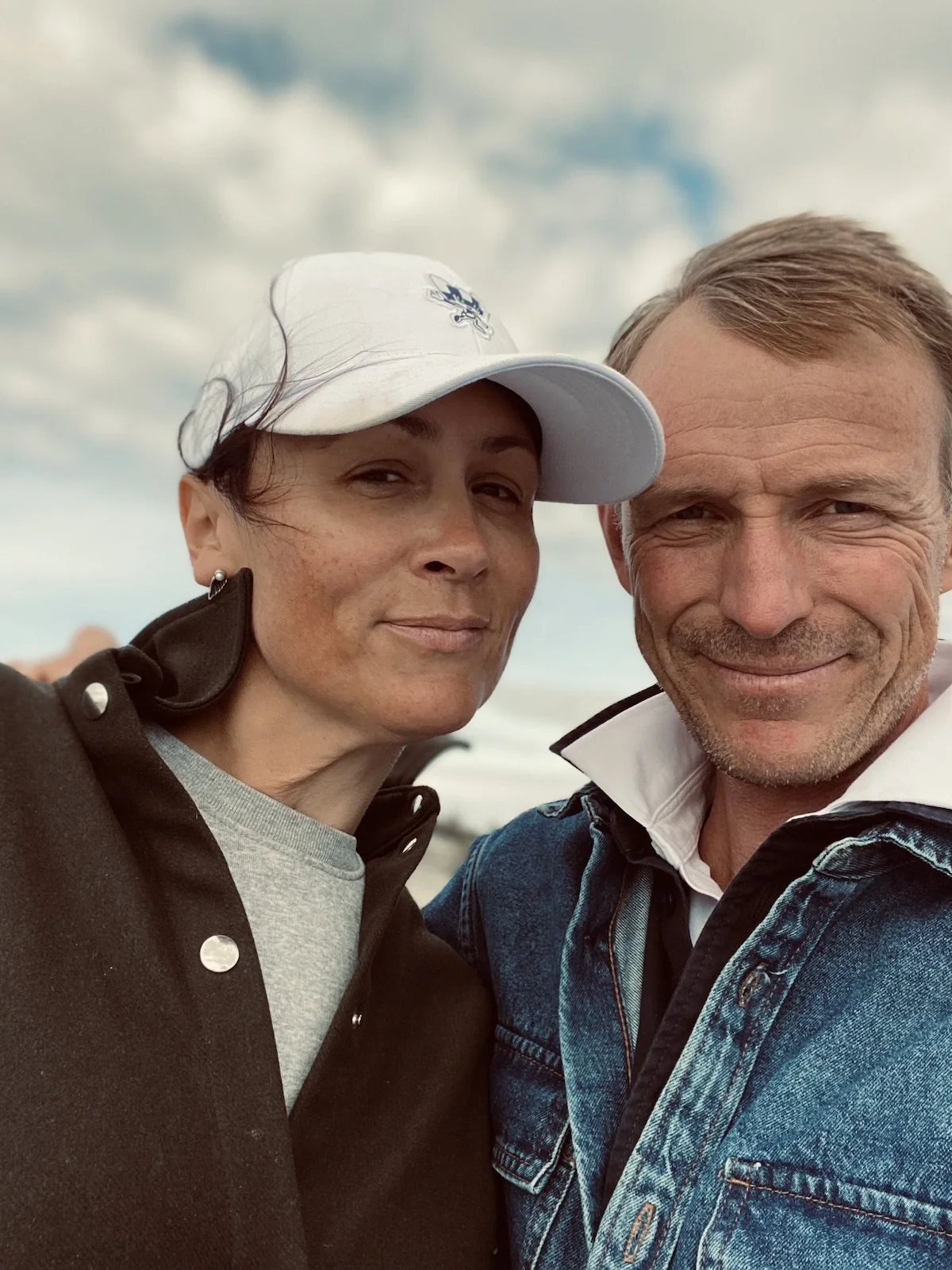
You have spoken before about starting early business projects while pregnant, and about realising that you enjoyed closing a good business deal as much as winning a class. Over time, do you think pregnancy, motherhood and family life changed your definition of success, and what does a sustainable pace look like for you now compared with your twenties and early thirties? Is there something you would have done differently?
“I have never been someone who maps out a rigid plan for what comes next. When a good opportunity appears, and I feel passionate about it, I go for it. And when that passion fades, it is often better to pass the project on or allow it to evolve under new leadership.”
“In many ways, I function the same now as a mother of three as I did in my twenties. But experience has taught me that meaningful things take time, and that long-term quality matters. I often say that "slow is faster." That said, my personal pace is not always slow, and it has not really changed over the years. It has more to do with the kind of person I am than with how old I am.”
Power, Criticism and Visibility
Being named the most influential woman in Swedish equestrian sport is a powerful compliment, but it also comes with scrutiny and disagreement. How do you handle pushback or criticism when you speak up about how the sport should evolve, and have there been moments where you questioned whether to stay visible or step back?
“I am not political by nature. I usually say what I believe, which makes it easier to stand by my words. At the same time, views can change, and it is important to stay humble and admit mistakes.”
“The horse world includes many stakeholders with different goals and perspectives, so differing opinions are inevitable. Right now, I see many positive developments, with people becoming more educated about horse welfare. Peder is often asked whether the sport and animal welfare sometimes pull in different directions. He strongly believes that the two must always go hand in hand in all matters, and I think that is a very good guideline.”
Perhaps related to this, you have expressed interest in using horses to support integration and youth opportunities, and you work across everything from elite sales to public-facing shows. What, in your view, is currently broken in how we invite new people into the world of horse sports, and what would you change first if you could redesign that pathway?
“For a long time, I have been passionate about making the horse world more accessible to a wider audience. Opening the door to more people could strengthen both the sport and the individuals who discover it. Horses are extraordinary. They offer something meaningful and grounding, something unique, and a direct connection to nature. In an increasingly digital world, the stable can offer a kind of respite, and I believe it should.”
“There are no shortcuts there, no easy fixes. Let it take time. Mucking out, grooming, sweeping, riding. The stable is one of the best schools in life. We learn respect and responsibility, and we get some dirt under our nails.”
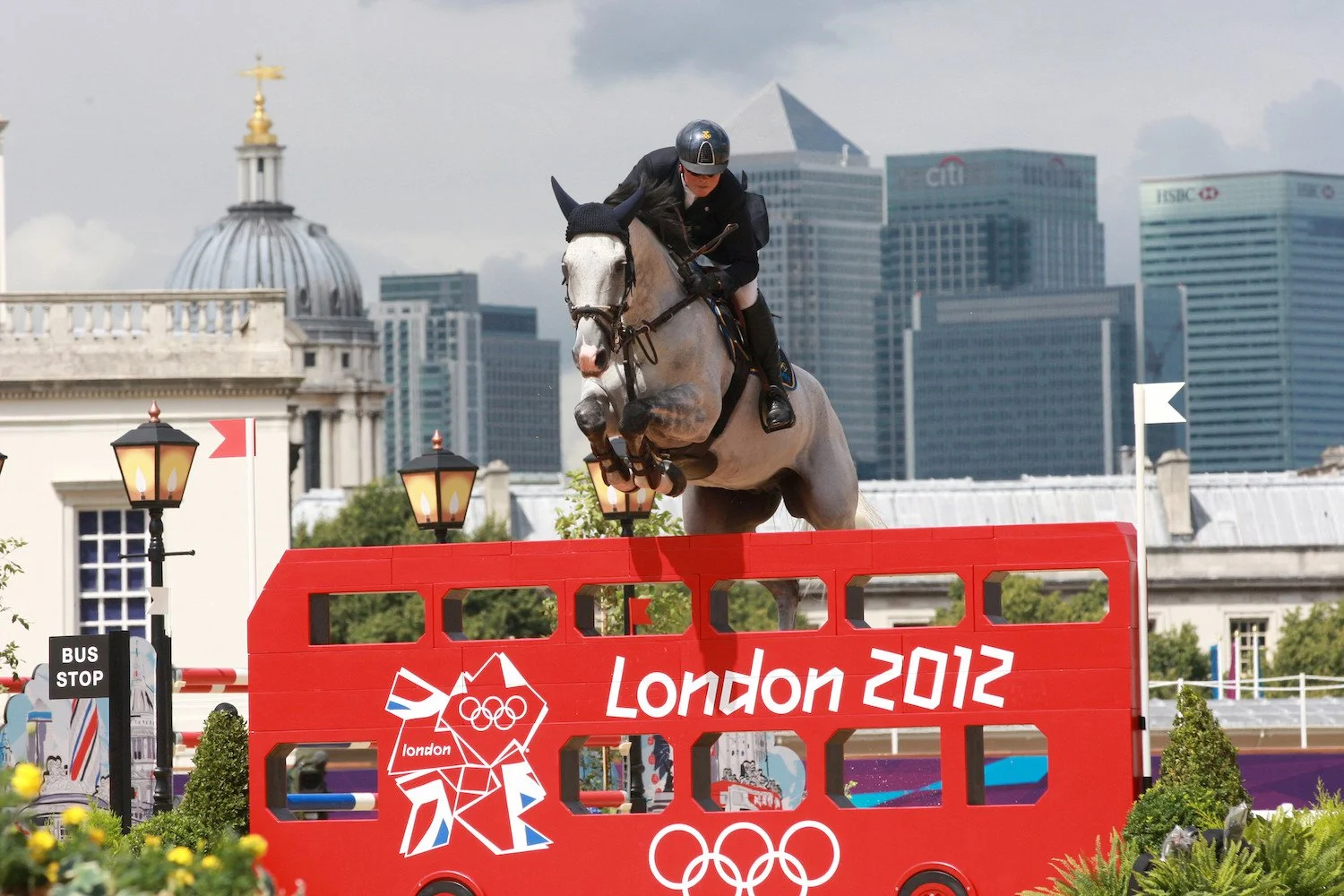
Lisen Bratt Fredricson and Matrix at the 2012 London Olympics. Image: By Roland Thunholm
“In general, I believe the sport needs to become better at inviting new groups of people into it. I have been part of a board that, each year, supports initiatives in which horses help improve people’s well-being. Right now, I am also trying to find opportunities for companies or private individuals to sponsor children who want to start at a riding school but do not have the financial means.”
Entrepreneurial Risk in a Conservative Sport
Showjumping and horse sports in general are often considered conservative environments when it comes to new ideas, yet you have consistently pushed forward with new formats, concepts and businesses. Where have you felt the most resistance to change?
“I do not necessarily see resistance as opposition. Change can be difficult for people to embrace, especially when things have been done in a certain way for a long time. With experience, I have learned that if you give it time, even the most critical voices often come to appreciate new ideas, sometimes even claiming them as their own.”
From your vantage point at Grevlunda and across the businesses you are involved with, what do you see as the biggest opportunities and the biggest threats for the sport and wider horse industry in the next decade?
“I believe passion and love for the horse will continue to drive our sport forward. In a world that is becoming increasingly digital, horses represent something real and tangible. At the same time, we must continue ensuring that sport and horse welfare evolve together. That balance will define our credibility and our future. We cannot take anything for granted.”
Advice to the Next Lisen
Somewhere there is a young rider who loves horses, wants to compete, or maybe is busy sketching business ideas on the tack room whiteboard. What honest advice would you give your younger self?
“If I could give my younger self one piece of advice, it would be this: remember why you started with horses in the first place. Let that love be your compass. Set a clear direction for where you want to go, and make decisions that steadily and sensibly move you toward that goal.”
“Do not get distracted by the noise, especially the kind that comes from social media. It is easy to compare, to question yourself, or to change course because of other people’s opinions. But constantly adjusting your path to please others will only slow your progress and weaken your confidence.”