THE EQUERRY BRIEF
Brands & Innovation*
Featured


THE EQUERRY BRIEF
As digital tools and data analysis become more accessible, technology is transforming how horses are monitored, trained and cared for. From motion tracking and wearable sensors to artificial intelligence systems capable of analysing movement patterns, the “connected stable” is changing the way riders, trainers and veterinarians understand equine welfare. By combining traditional horsemanship with objective data, new technologies are helping the industry move toward more proactive, transparent and evidence-based horse management.
TrojanTrack has officially launched in the UK and Ireland, introducing AI-powered horse movement analysis designed to support everyday equine care. Using smartphone-based biomechanical tracking, the platform provides data-led insights to help riders and professionals detect subtle changes early and make more informed welfare and performance decisions.
From 1 January 2027 jumping's tack transition period ends. Riders should check their equipment against the TackApp now, not in January.
What do buyers really know before bidding at an elite horse auction? Research into five European showjumping auctions reveals gaps between buyer expectations and auction disclosures, from behavioural history and veterinary examinations to blood testing and contractual protections. The findings raise wider questions about transparency, accountability and standards across the elite horse market.
Every FEI discipline has its own rules on abuse of horse. A new task force is trying to reconcile them against a single welfare standard.
Nine riders made the jump-off, but none got close to Richard Vogel and Gangster Montdesir, who won Verona's World Cup qualifier by nearly four seconds.
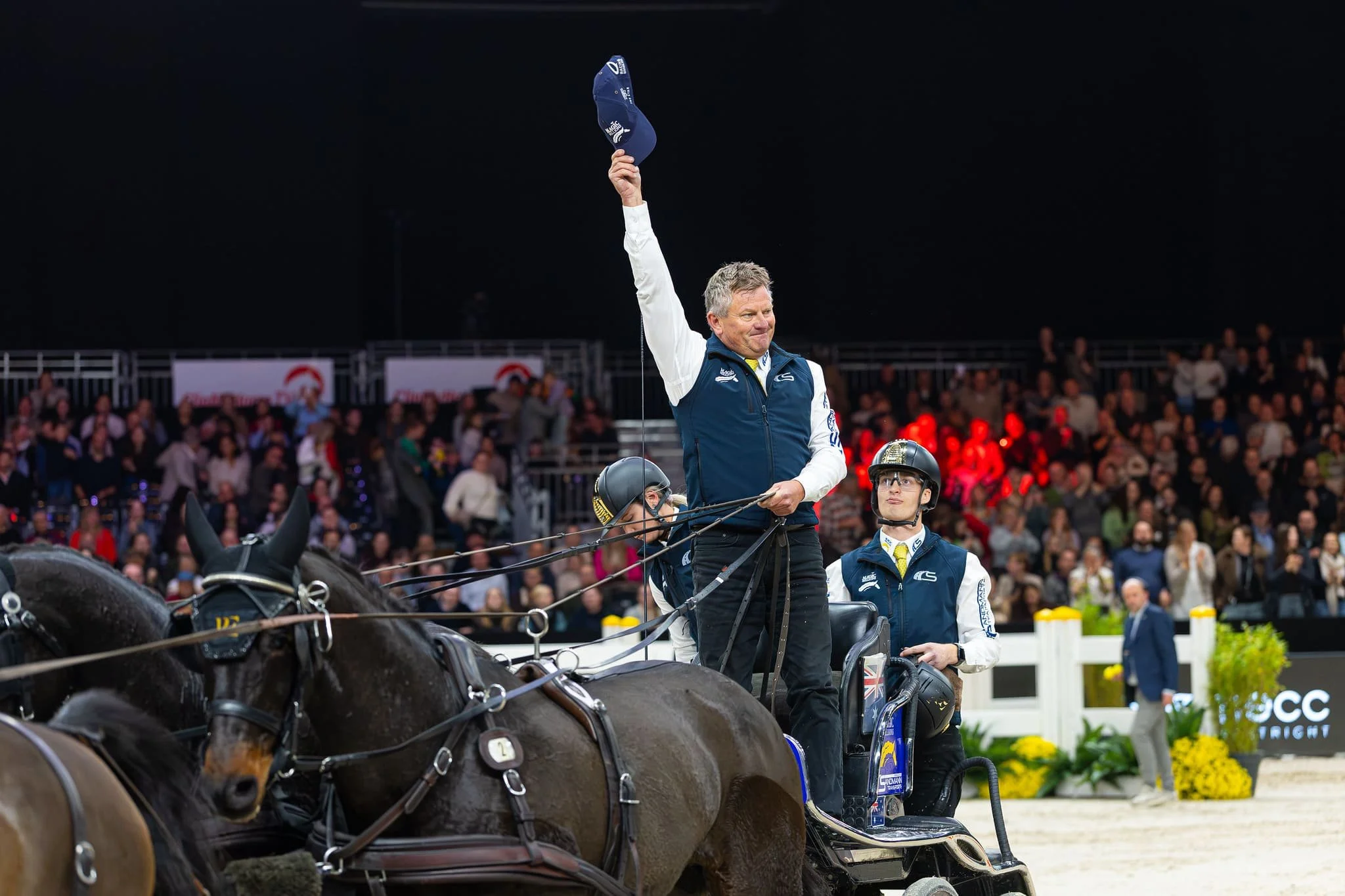
A Dutch Grand Prix victory in front of a home crowd, and a sixth consecutive Maastricht World Cup win for one of driving's most successful competitors.