Through Ashley Avis’s Lens: The Filmmaker Giving Horses a Voice
Ashley Avis has built a career where art, advocacy and empathy meet. Best known as the director behind Black Beauty and as the founder of the Wild Beauty Foundation, she uses film as both mirror and megaphone for the bond between humans and horses.
She has become a leading voice for the protection of wild horses and wolves in the United States, carrying their plight to the halls of government and raising urgent conversations with policymakers. In her newest campaign, she turns her lens toward an uncomfortable truth: The fate of thousands of horses, from former racehorses and competition partners to once-loved ponies, who are exported across borders for slaughter. Through her work, Ashley is redefining what storytelling is truly for: not only entertainment, but education, empathy and a call to protect the very animals that shaped human history.
1. Tell us a little about your background and how horses first entered your life, both personally and creatively.
My entire world as a child was shaped by horses, and by nature. Growing up with timeless equine literature such as Black Beauty and The Black Stallion, I was profoundly drawn to being around horses; to ride, to discover that sense of partnership, connection, and freedom.
From the time I could hold a pen, I wanted to become a writer. I always imagined I’d enter the children’s book space, which I’m finally doing now in my late thirties. But as a child and teen, I rode and competed on the hunter/jumper circuit. Eventually I went to college in Manhattan, worked as a journalist, and then pursued a career as a screenwriter and director.
Horses came back into my life with serendipitous force when I was given the opportunity to write and direct Black Beauty for Disney. That film changed everything. It pointed me toward the path I’m following now, tying storytelling to advocacy.
2. What inspired you to create the Wild Beauty Foundation and use film as a bridge between advocacy, education and emotional storytelling.
While shaping Black Beauty for audiences of today, I began learning about the plight of wild horses in the American West. I was devastated by what they were, and still are, facing: brutal helicopter roundups by the Bureau of Land Management to clear land for livestock grazing; the persistent myth of overpopulation; and the tragedy of tens of thousands of wild horses living out their lives in government holding facilities, some without shade or room to move properly. It is shameful this is happening in our country.
The Wild Beauty Foundation was born from rescuing fifteen horses in 2020 and finding them loving homes; then realizing—through not only the response to Black Beauty, but the creation of our documentary Wild Beauty: Mustang Spirit of the West—how profound the power of storytelling can be. Stories don’t just move people emotionally; they inspire people to act.
I also love working with children and showing them how a single voice can have a ripple effect. Our youth letter-writing campaign to Congress has been extraordinarily effective; letters from young people truly cut through.
And now, with our latest campaign The Lost Horses, we are addressing another tragic crisis. Twenty thousand American horses are disappearing every year into slaughter pipelines that lead across our borders to Mexico and Canada. Our goal is to end that.
3. Lost Horses tackles an incredibly difficult subject. How did you approach the tone and narrative of this campaign to balance awareness with hope.
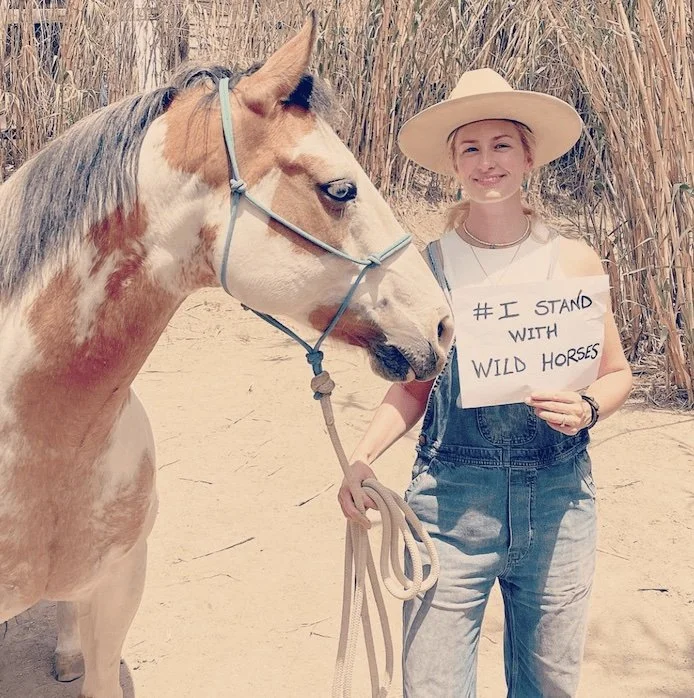
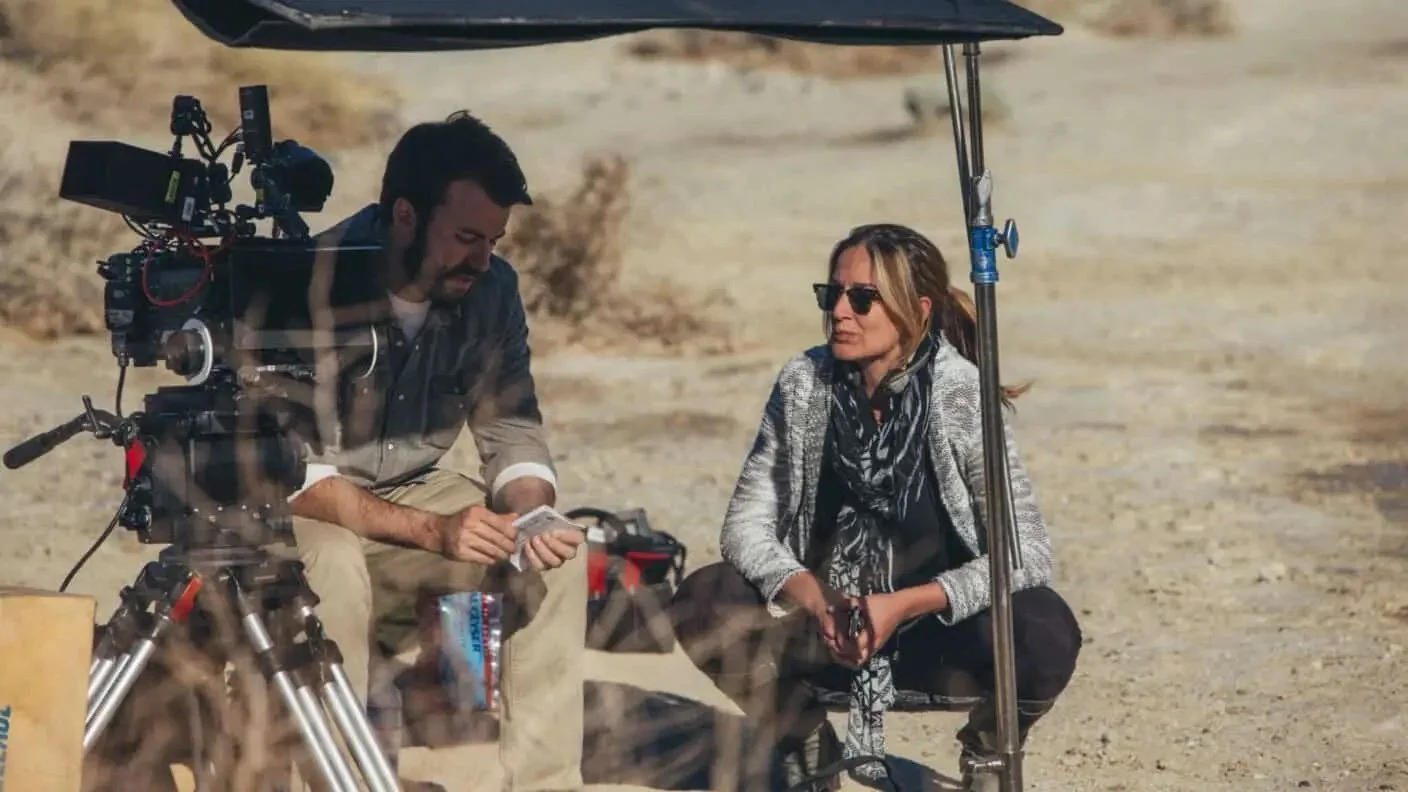
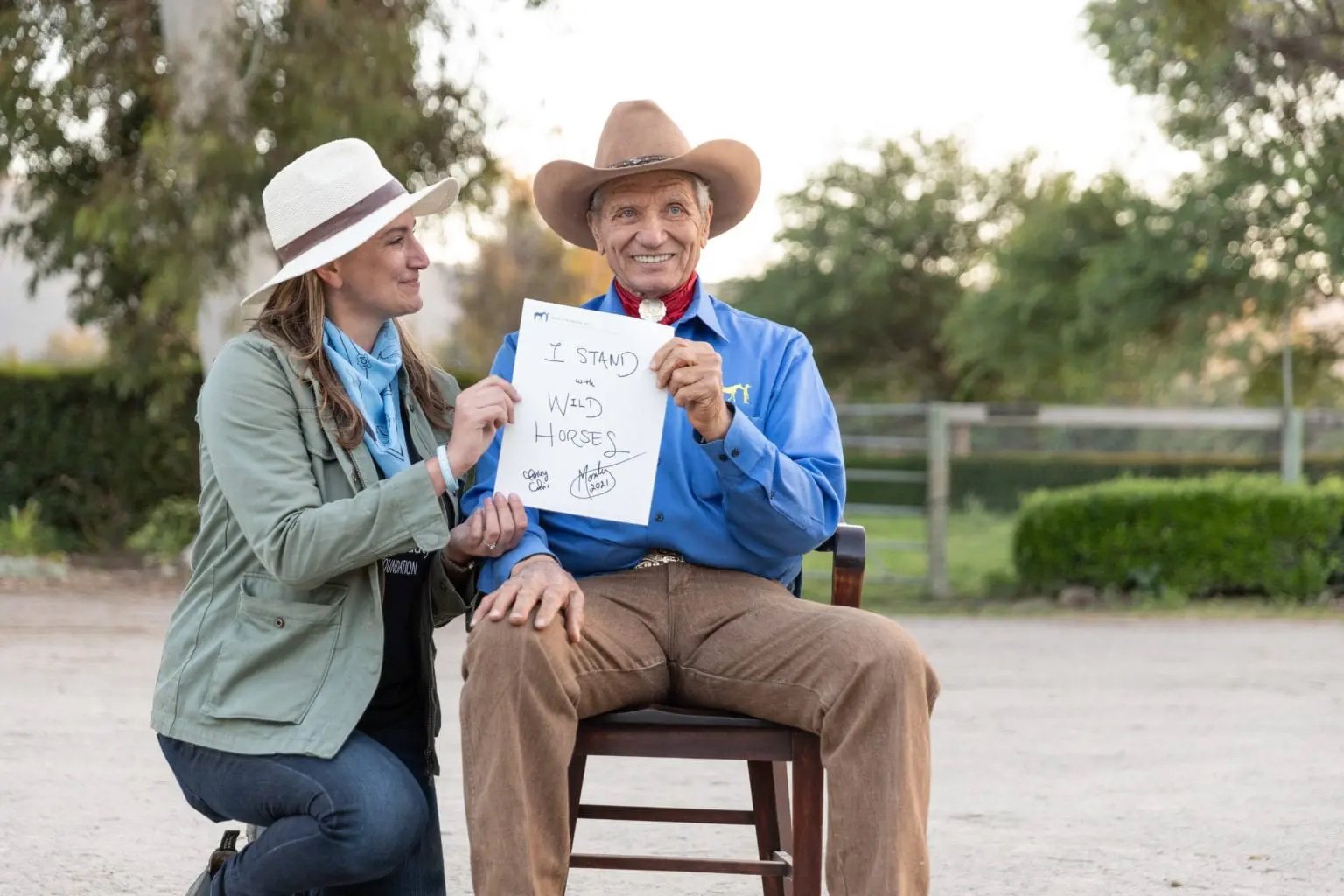
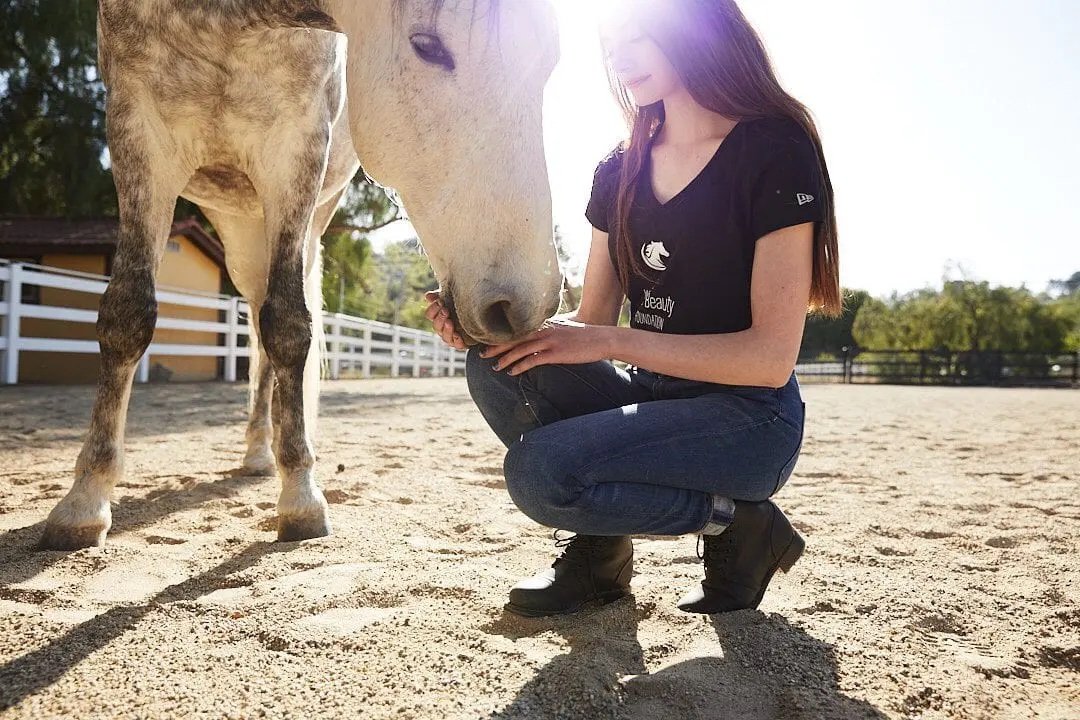
Images from top left: Actress and WBF Ambassador Beth Behrs, Ashley Avis and crew during the creation of Wild Beauty: Mustang Spirit of the West, Ashley Avis with WBF Ambassador Monty Roberts, Actress Mackenzie Foy. Source: Wild Beauty Foundation website.
That was a major challenge. I always try to approach storytelling with cinematic power, impact, and elegance. Because our audience spans adults and younger viewers, I found it critical to strike a balance that moves people to care about the horses emotionally; that helps them understand the tragedy of their plight; and compels them not just to watch but to take action.
With subject matter this difficult, the instinct can be to look away if the imagery gets too intense or graphic. I believe we found a very careful emotional balance, and the response thus far has been deeply encouraging.
4. As both a filmmaker and an advocate, what do you believe visual storytelling can achieve that traditional journalism or activism cannot.
The world is more visual now than ever. My goal with this campaign was to give a window into each individual horse’s life, so that people make that connection. This isn’t about the statistic of “twenty thousand horses.” This is about a Thoroughbred, a former show jumper, a lesson pony who loved his children, a loyal donkey wondering why he was discarded at auction.
Every medium has its place in this fight, and I would love to see them working together—journalism alongside cinema, activism, and education all colliding at the same moment. That’s where real change can spark.
5. How has your experience directing Black Beauty informed how you now portray horses and their stories on screen.
We worked with over fifty horses on Black Beauty, which was extraordinary! I always wanted to approach Beauty cinematically, treating her as thoughtfully in coverage as we would a human character.
Often in film, the camera lands in a simple medium or wide and overlooks the subtle language of a horse—the shift of an ear, the flicker of an eye, the tension or softness in their body. Those gestures reveal their complex inner world, as any equestrian well knows. I carried that ethos into Wild Beauty as well, studying wild horses.
Retaining this honesty led me to edit both Black Beauty and Wild Beauty myself—both massive undertakings and long months spent in the cutting room—but it allowed me to preserve a level of authenticity that was essential to me.
6. What do you hope viewers will understand about the connection between all horses, wild, competition, working and companion, after engaging with the Lost Horses campaign.
That every life matters. Every horse has value, just as humans do. We come from different pasts, cultures, and paths—but no life should ever be thrown away.
Horses have stood beside us throughout history: building our world, carrying us into battle, competing as athletes, supporting us as therapy partners. They continue to be essential today. My great hope is that people see them as the intelligent, emotional individuals they are—and raise their voices to protect them.
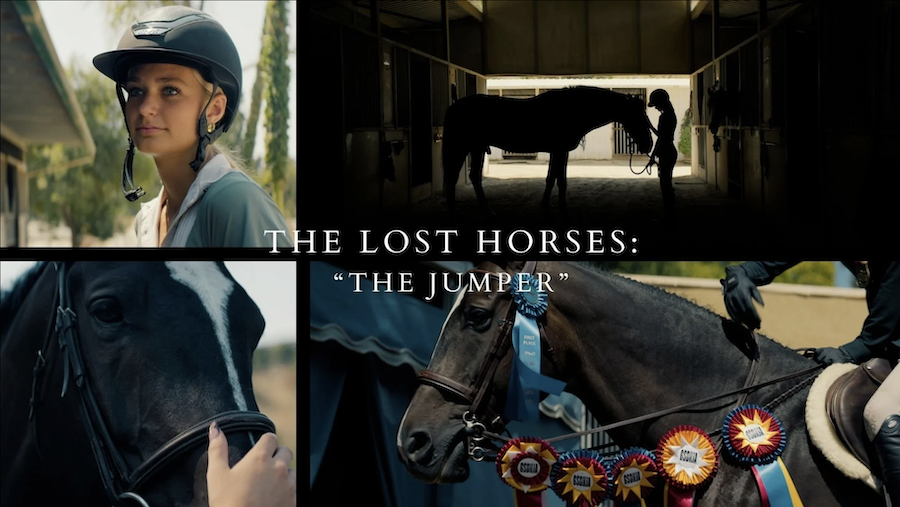
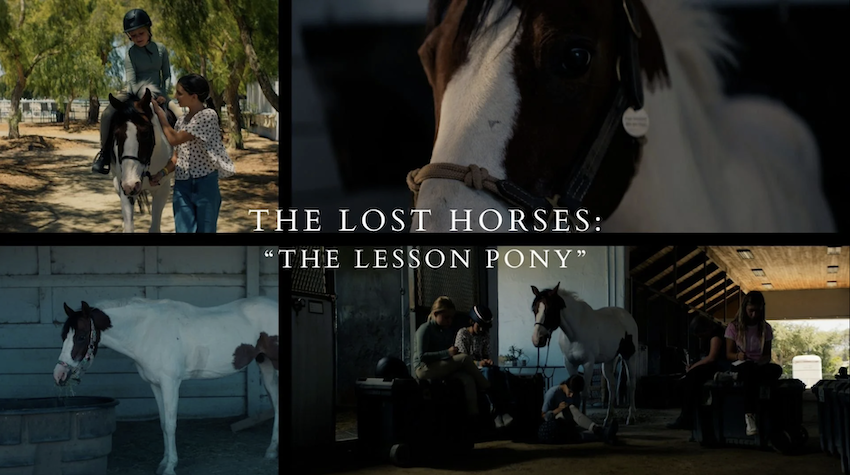
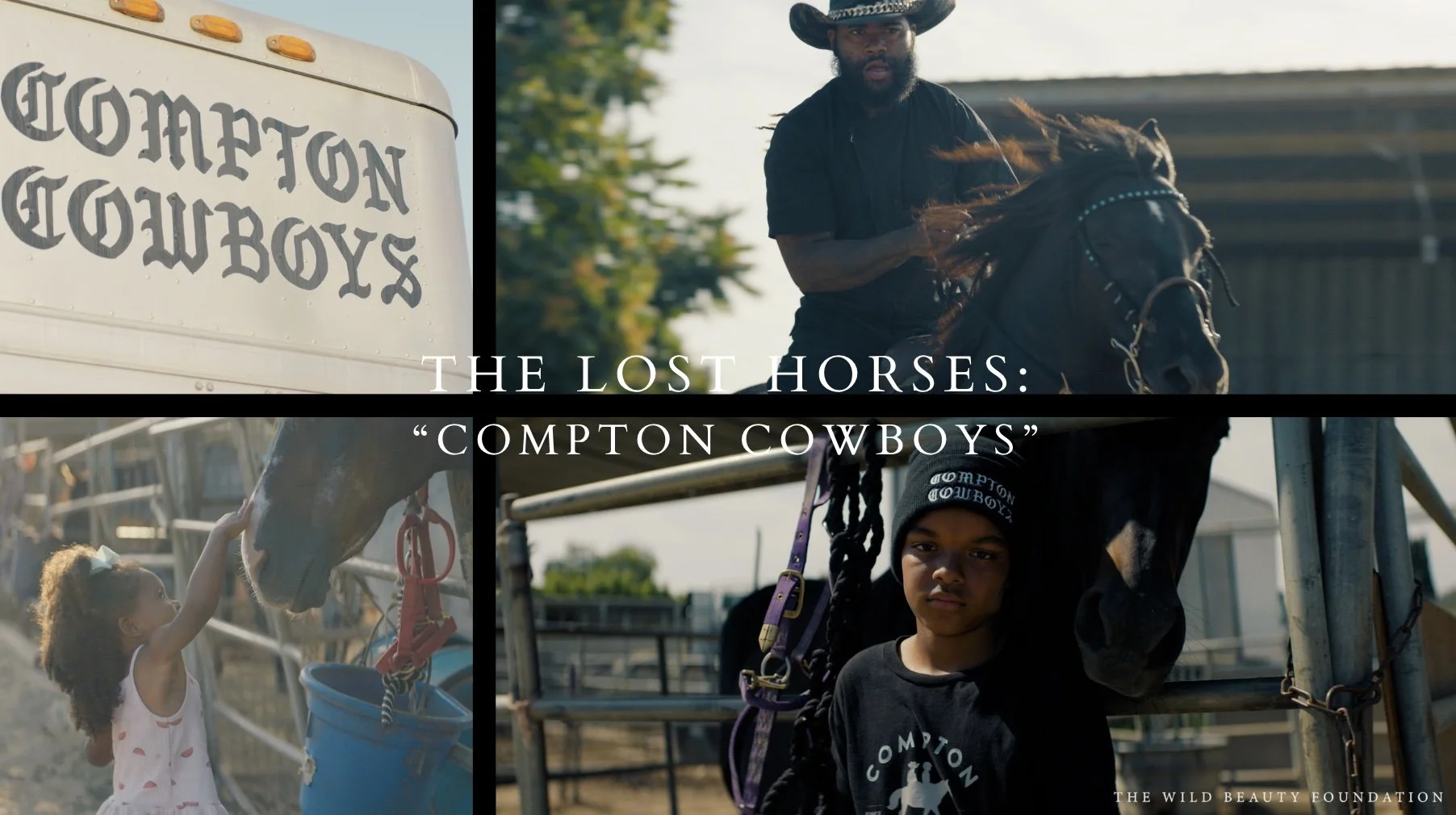
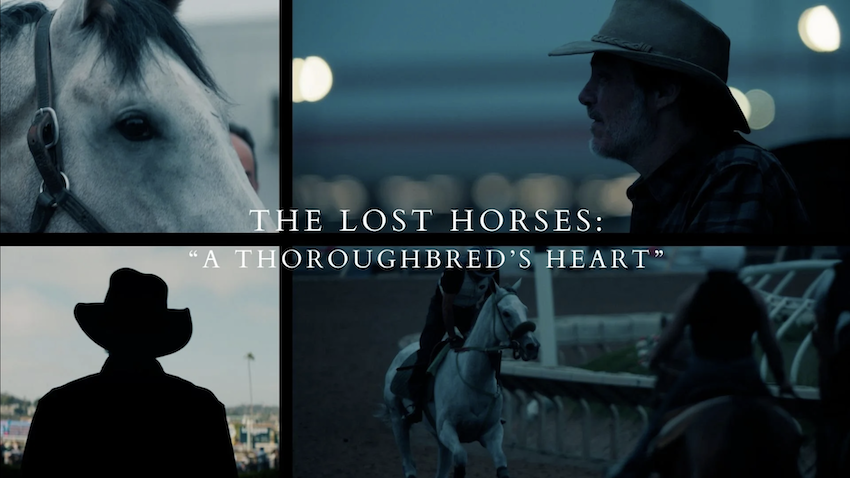
Images: Campaign Imagery from the Lost Horses campaign. Source: Lost Horses website.
7. Many people associate the equestrian world with glamour and sport, yet your work often reveals its unseen realities. How do you navigate that balance of beauty and truth, and do you believe the sport itself must change to address these issues more honestly.
I would love people to understand that horses are accessible to everyone, not just those in elite sport. Equine therapy offers profound healing. Sitting quietly among wild horses on the range can reconnect us to nature in a way very few things can.
In both my storytelling and nonprofit work, my goal is to connect—or reconnect—people to horses, and to illuminate the challenges they face so we can become better stewards of their world.
8. What do you believe is the single most urgent change needed to protect horses from export and slaughter today.
The SAFE Act* must pass. To be clear, there is no “unwanted horse crisis” in the United States. What we are facing is a dark, for-profit industry driven by foreign demand for horse meat, and a system where kill buyers manipulate the public’s compassion. The horses are caught in the middle.
Slaughter is not humane euthanasia. It is a brutal, terrifying, and deeply unfair death for these animals. Anyone who disagrees should take a trip to a slaughter pipeline in Mexico for an education in empathy. We have been undercover in this world, and I will tell you—it is haunting. There is nothing humane about this system.
We must work together to strive for that critical compassion; to debunk the myths, face the truth of what is happening, and pass this legislation.
9. Looking ahead, what stories are you most driven to tell next, and how do you see the role of the Wild Beauty Foundation evolving over the next decade.
This journey has been such a profound and serendipitous one. I am so deeply proud of the work we are doing, even when it becomes difficult—because the truth is, we all have the power to make change in our little corners of the world. This is the corner I’ve chosen, or perhaps the one that chose me. If we’re given the gift of a platform, we are beholden to use it.
The stories I’m pursuing now tie back to these themes—for horses, for wolves, for elephants. Each film or book can support advocacy in a meaningful way and help protect a wild world we cannot afford to lose.
There is such beauty out there; we just have to reach out, protect it, and embrace it before it’s too late.
Learn more about The Wild Beauty Foundation & The Lost Horses
*The Save America’s Forgotten Equines (SAFE) Act (H.R. 1661 / S. 775) is the definitive legislative solution to end horse slaughter. Reintroduced in 2025 by Representatives Jan Schakowsky (D-IL) and Vern Buchanan (R-FL), along with Senators Ben Ray Luján (D-NM) and Lindsey Graham (R-SC), the SAFE Act would permanently ban the slaughter of horses within the United States and prohibit the export of American horses to other countries for slaughter.
This bill represents a rare moment of genuine bipartisan alignment, with 116 cosponsors in the House—94 Democrats and 22 Republicans—and broad support from animal protection groups, equine industry leaders, and the vast majority of Americans. Public sentiment is clear: horse slaughter is inhumane, outdated, and unacceptable. Congress is beginning to listen. Now is the time to pass this bill and bring this cruel practice to an end.